The Science Behind Craniosacral Therapy: Mechanisms, Evidence, and Reality
- Aug, 4 2026
- 0 Comments
- Melinda Underwood
You sit down for a session of Craniosacral Therapy is a gentle hands-on technique that focuses on the rhythmic movement of cerebrospinal fluid and the flexibility of the skull and spine. It was developed by osteopathic physician William Garner Sutherland in the early 20th century and later popularized by John Upledger. Practitioners claim it can relieve headaches, improve posture, and even help with autism spectrum disorders. The therapist places light pressure on your head or tailbone, claiming to feel a subtle pulse-the "cranial rhythmic impulse." They say they are balancing this flow to heal you. But does the science actually back up these claims? Or is it mostly placebo?
The short answer is complicated. While many patients report feeling relaxed and pain-free after sessions, mainstream medicine remains skeptical. This isn't just about skepticism; it's about biology. To understand why there is such a divide, we have to look at what the therapy actually targets and what modern neuroscience says about those targets.
What Is Craniosacral Therapy Really Trying to Do?
At its core, CST aims to influence the Craniosacral System consists of the membranes, bones, and fluids surrounding the brain and spinal cord, including the dura mater and cerebrospinal fluid (CSF). In traditional anatomy, this system is seen as a protective enclosure rather than a dynamic pump.. Practitioners believe that restrictions in the sutures of the skull or the sacrum (tailbone) disrupt the flow of CSF, leading to health issues. By manipulating these areas, they hope to restore natural rhythm and promote self-healing.
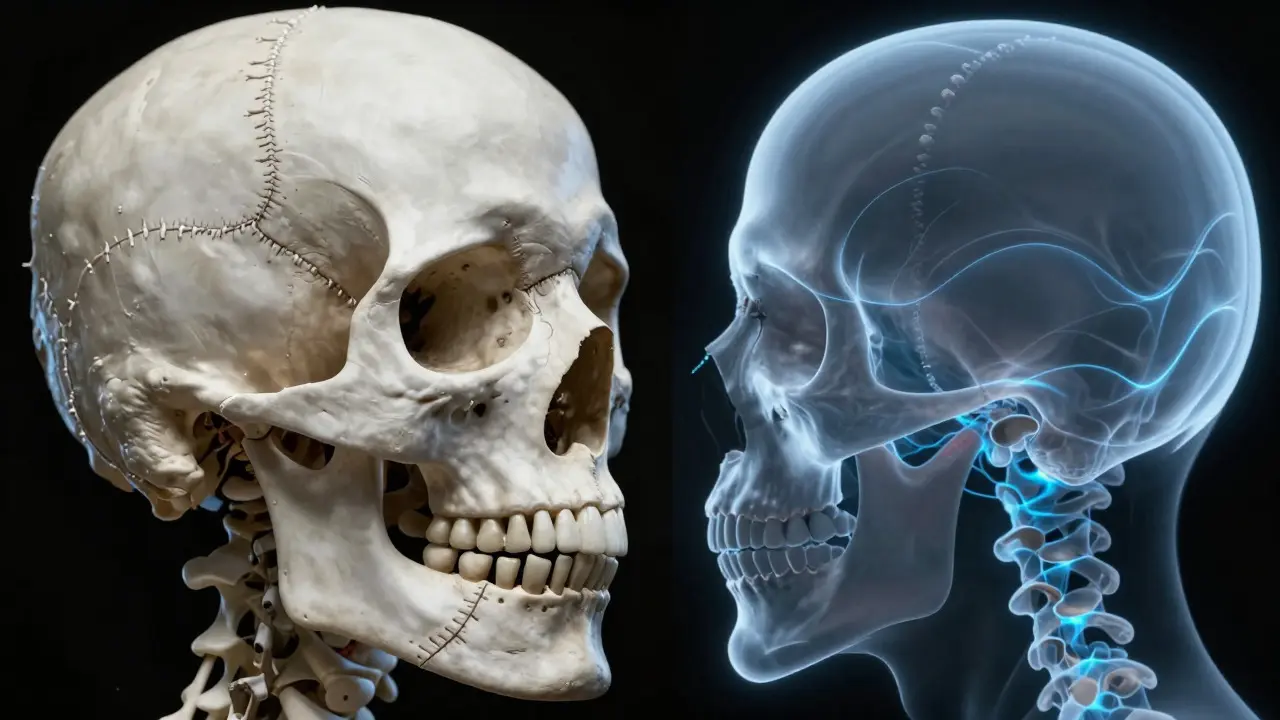
The theory relies heavily on the idea that the skull bones are not fused shut in adults but move slightly with each breath or heartbeat. If you’ve ever had a CT scan, you know the skull looks like a solid helmet. So, where does this movement come from? Proponents argue that microscopic shifts occur due to intracranial pressure changes. Critics point out that these movements, if they exist at all, are too small to be palpated by human hands.
Let’s break down the three main pillars of CST:
- The Cranial Rhythmic Impulse (CRI): A supposed wave-like motion felt by practitioners.
- Fascial Manipulation: Working on the connective tissue sheaths around muscles and organs.
- Vagal Nerve Stimulation: Indirectly calming the nervous system through touch.
While the first pillar is scientifically shaky, the second and third have real physiological grounding. This distinction is crucial for understanding who might benefit and why.
The Anatomy Debate: Do Skull Bones Move?
This is the biggest sticking point between CST and conventional medicine. In infants, skull bones are separated by fontanelles (soft spots) to allow for brain growth and birth. These fuse over time. By adulthood, the sutures are largely ossified-meaning bone grows across the gap, locking them together.
However, recent imaging studies using high-resolution MRI scans have shown that there *is* some micro-movement in the skull, driven by arterial pulsations and breathing. But here is the catch: the amplitude of this movement is measured in micrometers. That is smaller than the width of a human hair. Can a human hand reliably detect and correct a restriction in movement that is less than 0.1 millimeters? Most biomechanical experts say no.
| Aspect | Traditional Medical View | CST Perspective |
|---|---|---|
| Suture Status in Adults | Fused/Ossified | Semi-mobile/Micro-movable |
| Movement Source | Arterial Pulsation only | Intrinsic Cranial Pumping Mechanism |
| Palpability | Not detectable by hand | Clearly detectable via CRI |
| Clinical Significance | Minimal impact on systemic health | Central to overall wellness |
If the skull doesn’t move much, then what is the therapist actually doing? Many researchers suggest that CST works not by moving bones, but by affecting the soft tissues underneath. This leads us to the more plausible mechanisms.
The Role of Fascia and Connective Tissue
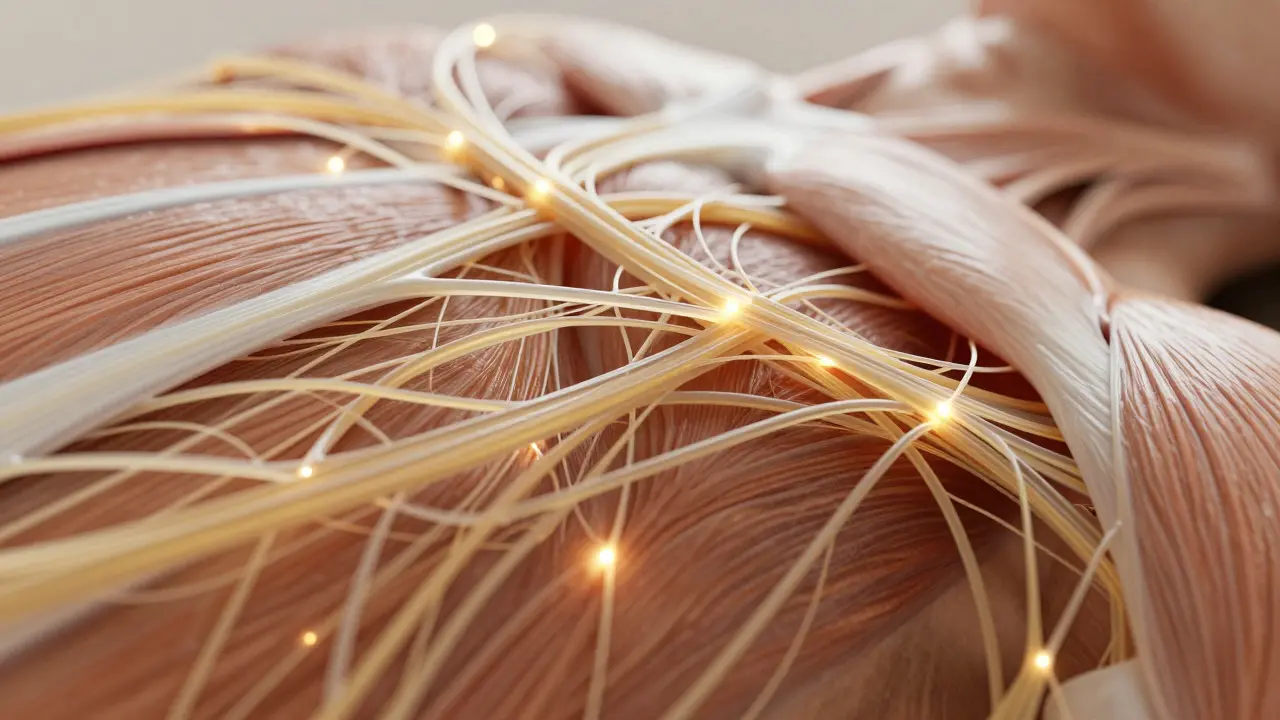
Forget the bones for a moment. Let’s talk about Fascia is a continuous network of connective tissue that surrounds every muscle, bone, nerve, blood vessel, and organ in the body. Recent research has highlighted its role in pain transmission and mechanical signaling.. Fascia is rich in sensory receptors called mechanoreceptors. When you press gently on someone’s scalp or lower back, you stimulate these receptors.
Studies on myofascial release show that gentle pressure can reduce tension in the fascia, improving mobility and reducing pain. Since the dura mater (the tough membrane covering the brain and spinal cord) is continuous with the fascia of the neck and shoulders, releasing tension in one area can theoretically affect another. For example, tightness in the suboccipital muscles (at the base of the skull) is a known cause of tension headaches. CST techniques often target this exact area.
So, while the therapist might be talking about "balancing cranial rhythms," their hands might actually be loosening tight fascial chains. This is a valid therapeutic mechanism, even if the language used to describe it is unscientific.
Nervous System Regulation: The Vagus Connection
Perhaps the strongest scientific argument for CST lies in its effect on the Autonomic Nervous System regulates involuntary bodily functions, divided into the sympathetic (fight-or-flight) and parasympathetic (rest-and-digest) branches. Chronic stress keeps us stuck in sympathetic dominance, leading to inflammation, poor digestion, and anxiety..
Gentle touch, especially on the head and neck, stimulates the vagus nerve. The vagus nerve is the primary component of the parasympathetic nervous system. When activated, it slows the heart rate, lowers blood pressure, and promotes relaxation. This is why people often fall asleep during CST sessions. It’s not magic; it’s neurophysiology.
A study published in the Journal of Bodywork and Movement Therapies found that CST significantly reduced cortisol levels (the stress hormone) in participants. Another trial showed improvements in symptoms of post-traumatic stress disorder (PTSD), likely due to this down-regulation of the stress response. If you are suffering from chronic pain or anxiety, the mere act of receiving non-threatening, attentive touch can rewire your brain’s perception of safety.
What Does the Clinical Evidence Say?
When we look at randomized controlled trials (RCTs)-the gold standard of medical evidence-the results are mixed. Some studies show significant benefits for specific conditions, while others find no difference between CST and sham treatment (fake therapy).
For example, a systematic review of CST for migraine prevention found moderate quality evidence supporting its use as an adjunct therapy. However, another review concluded that the methodological quality of most CST studies is low, citing small sample sizes and lack of blinding. It is hard to blind a patient to whether they are receiving touch or not, which introduces bias.
Here is a breakdown of common conditions and the level of evidence:
- Chronic Headaches/Migraines: Moderate evidence. Likely effective due to fascial release and relaxation.
- Tinnitus: Low evidence. Some anecdotal success, but no robust clinical trials.
- Autism Spectrum Disorder: Very low evidence. Early studies showed promise, but larger follow-ups failed to replicate results.
- Low Back Pain: Moderate evidence. Similar to other manual therapies like massage.
The consensus among integrative medicine experts is that CST is safe and may provide symptom relief, particularly for stress-related conditions. However, it should not replace conventional diagnosis or treatment for serious medical issues.
Is It Safe? Risks and Contraindications
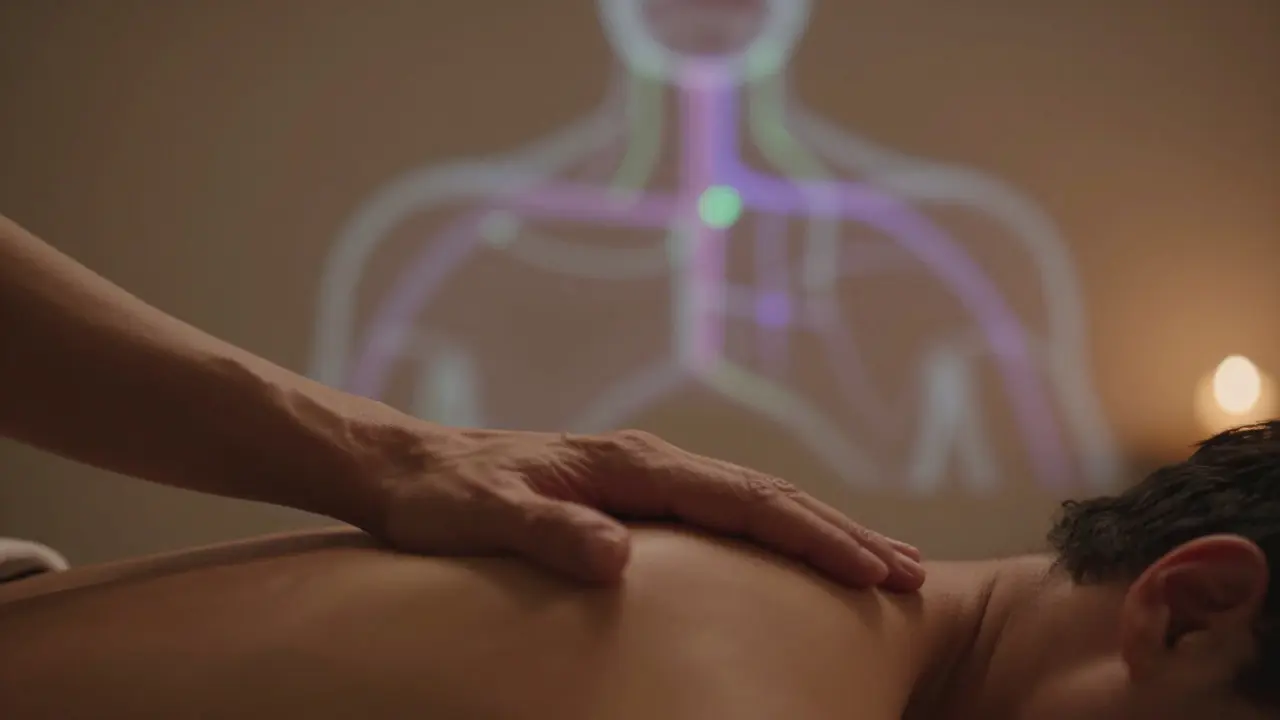
Because CST uses very light pressure (often described as the weight of a nickel), it is generally considered one of the safest manual therapies. There are few reports of adverse effects. However, "gentle" does not mean "risk-free" for everyone.
You should avoid CST or consult a doctor first if you have:
- Acute Intracranial Pressure: Such as from a recent stroke, aneurysm, or severe hemorrhage. Adding any manipulation, however slight, could be dangerous.
- Recent Head Trauma: Fractures or concussions require medical clearance before any manual intervention.
- Severe Osteoporosis: While pressure is light, fragile bones need caution.
Also, be wary of practitioners who make grandiose claims. If someone tells you CST can cure cancer or reverse dementia, run. Stick to therapists who frame it as a complementary therapy for symptom management.
How to Choose a Qualified Practitioner
Since CST is not always regulated the same way as physical therapy or chiropractic care, credentials vary. Look for practitioners who hold a license in a related field, such as:
- Osteopathic Physician (DO)
- Chiropractor (DC)
- Physical Therapist (PT)
- Licensed Massage Therapist (LMT)
Additionally, check for certification from recognized bodies like the Upledger Institute or the American Academy of Craniosacral Therapy. A good practitioner will explain what they are doing, listen to your history, and integrate CST into a broader treatment plan rather than presenting it as a standalone miracle cure.
Conclusion: Placebo or Physiology?
Does the "science" behind craniosacral therapy hold up? Strictly speaking, the original theory about skull bone movement and a distinct cranial pump lacks robust empirical support. However, dismissing CST entirely ignores the very real physiological effects of gentle touch on fascia and the autonomic nervous system.
You don’t need to believe in mystical energy flows to benefit from CST. You just need to accept that your body responds to relaxation, reduced tension, and nervous system regulation. If you are dealing with chronic stress, tension headaches, or general malaise, giving it a try is reasonable. Just go in with clear eyes: you are paying for skilled touch and relaxation, not structural realignment of your skull bones.
How long does a typical Craniosacral Therapy session last?
A standard session usually lasts between 45 to 60 minutes. The first session may include a longer intake interview to discuss your medical history and goals.
Does Craniosacral Therapy hurt?
No, it should not hurt. The pressure applied is extremely light, typically around 5 grams (the weight of a nickel). If you feel pain, inform your therapist immediately, as it may indicate underlying sensitivity or improper technique.
How many sessions do I need?
This varies by individual. Some people feel relief after one session, while others with chronic conditions may benefit from a series of 4-6 sessions spaced a week apart. Your practitioner can help determine a personalized plan.
Is Craniosacral Therapy covered by insurance?
Coverage depends on your provider and the credentials of the practitioner. If performed by a licensed physical therapist, chiropractor, or osteopath, it may be partially covered. Check with your insurance company beforehand.
Can children receive Craniosacral Therapy?
Yes, CST is often used for infants and children, particularly for colic, breastfeeding difficulties, or birth trauma. The pressure used on children is even lighter than on adults.