Sports Massage: Benefits, Techniques, and Recovery Guide
- Jun, 10 2026
- 0 Comments
- Melinda Underwood
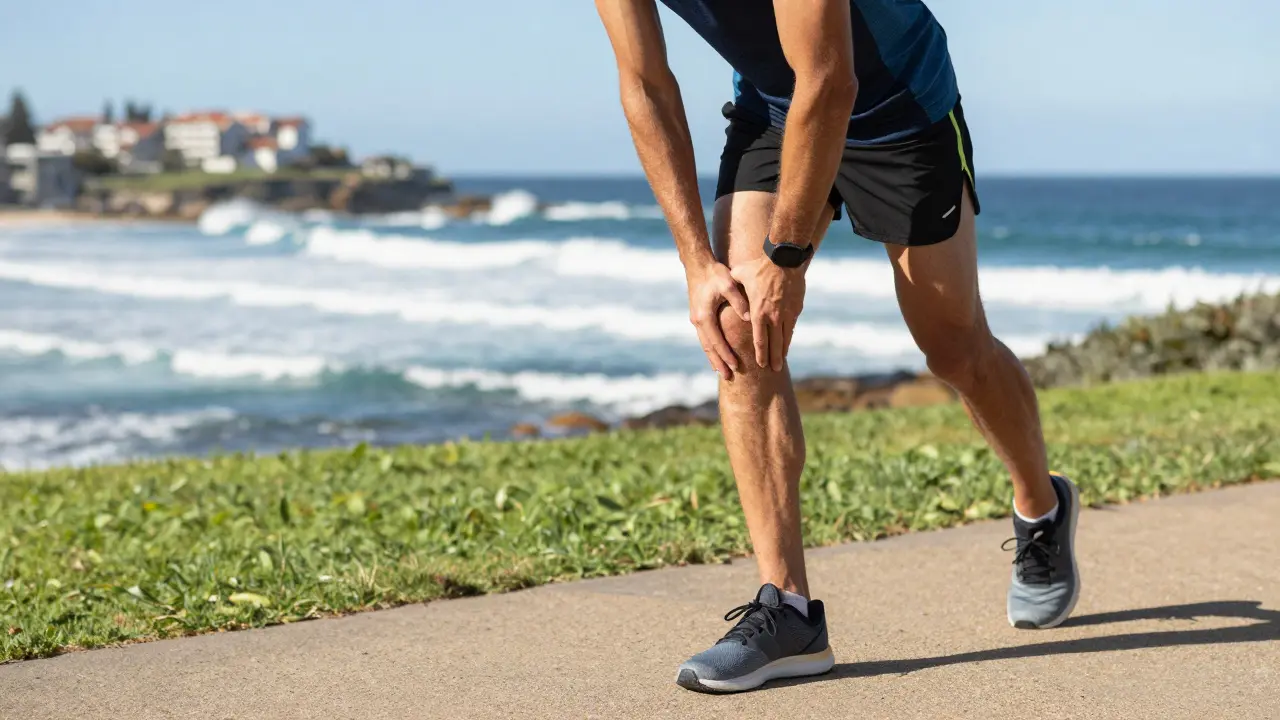
Think sports massage is just for Olympic athletes or people who can afford a luxury spa day? You’re missing the point. Sports massage is a specialized form of bodywork designed to prevent injuries, enhance athletic performance, and accelerate recovery. It’s not about relaxation in the traditional sense; it’s about function. Whether you are a weekend warrior running your first marathon or an office worker with chronic back pain from sitting all day, this therapy targets specific muscles used in physical activity.
In Sydney, where outdoor activities range from surfing at Bondi to hiking the Blue Mountains, understanding how your body recovers is crucial. This isn't a passive experience where you fall asleep. It’s active, often intense work that prepares your body for stress or helps it bounce back afterward. Let’s break down why this matters for anyone who moves their body, not just professional competitors.
What Actually Happens During a Sports Massage?
You might expect long, flowing strokes like in a Swedish massage. While those techniques exist here too, sports massage is more targeted. The therapist focuses on the specific areas involved in your sport or daily movement patterns. If you run, they look at your calves, hamstrings, and lower back. If you swim, it’s shoulders and lats.
The session usually involves four main types of touch:
- Effleurage: Light stroking to warm up the tissue and improve circulation.
- Petrissage: Kneading and squeezing to release tension in tight muscles.
- Friction: Deep, cross-fiber movements to break down scar tissue and adhesions.
- Tapping (Tapotement): Percussive strikes to stimulate nerves and wake up the muscle.
A skilled therapist will ask you about your training schedule, recent injuries, and specific goals before they even touch you. This assessment allows them to tailor the pressure and technique. For example, pre-event massage uses faster, lighter strokes to energize the muscles without causing fatigue. Post-event massage might be deeper to flush out metabolic waste like lactic acid, although modern science suggests its primary role is improving blood flow rather than "removing" toxins directly.
Pre-Event vs. Post-Event: Timing Is Everything
One of the biggest mistakes people make is treating all sports massages the same. The timing changes the goal entirely. Here is how you should approach it based on when your big event or workout happens.
| Feature | Pre-Event Massage | Post-Event Massage |
|---|---|---|
| Timing | 1-4 hours before activity | Within 24-72 hours after activity |
| Primary Goal | Warm-up, increase alertness | Reduce soreness, restore flexibility |
| Pressure Level | Light to moderate | Moderate to deep (depending on fatigue) |
| Duration | 10-20 minutes | 30-60 minutes |
| Techniques Used | Effleurage, Tapotement | Petrissage, Friction, Stretching |
If you get a deep tissue massage right before a race, you risk being too relaxed or even bruised. Your nervous system needs to be primed for action, not shut down. Conversely, skipping post-event care can lead to prolonged stiffness. The window for effective post-event treatment is short. Within the first 24 hours, focus on gentle compression and light movement to encourage lymphatic drainage. After 48 hours, you can introduce deeper work to address any residual tightness.
Injury Prevention: More Than Just Fixing Pain
We often think of massage as reactive-something we do when something hurts. But the real value of sports massage lies in prevention. Think of your muscles like rubber bands. Over time, if you stretch them repeatedly in one direction, they lose elasticity and become prone to snapping. Regular maintenance keeps them supple.
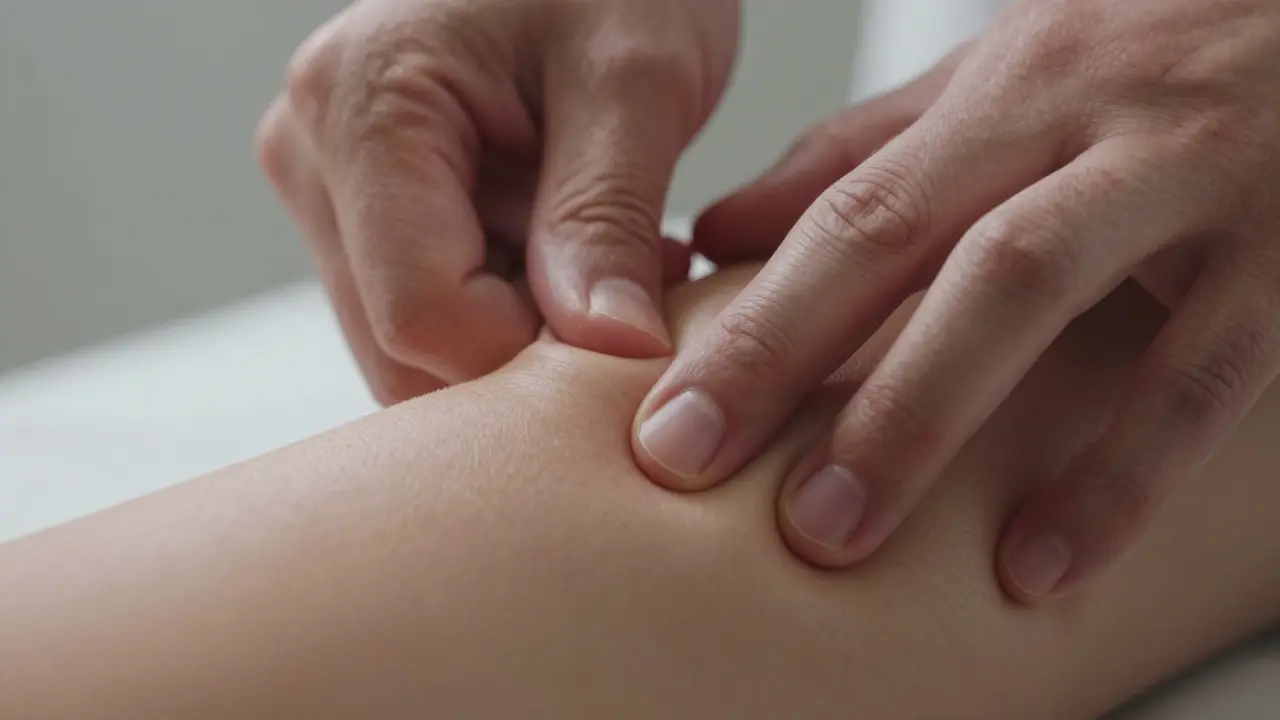
Adhesions are tiny knots of scar tissue that form in muscles and fascia (the connective tissue surrounding muscles) due to repetitive strain or minor injuries. These adhesions restrict movement and reduce blood flow. A sports massage therapist uses friction techniques to break these down, restoring full range of motion. For instance, a tennis player might develop lateral epicondylitis (tennis elbow). Early intervention with targeted massage can prevent this from becoming a chronic issue that requires surgery or long-term rehabilitation.
Regular sessions also help identify imbalances. Maybe your right hip is tighter than your left because you favor one leg while running. A therapist will notice this asymmetry and adjust their treatment plan accordingly. This proactive approach saves you time and money in the long run by keeping you on the field or court instead of on the sidelines.
Who Really Needs Sports Massage?
You don’t need to be a professional athlete to benefit. In fact, some of the best candidates are recreational enthusiasts and people with sedentary jobs. Here are three groups who see significant improvements:
- The Weekend Warrior: You sit at a desk all week and then hike or play soccer on Saturday. Your body isn’t conditioned for sudden bursts of activity. Sports massage helps bridge the gap between sedentary life and intense exercise, reducing the risk of acute strains.
- The Chronic Tightness Sufferer: Do you have lower back pain from driving or poor posture? Sports massage addresses the root cause-the tight hip flexors and weak glutes-rather than just masking the pain with medication.
- The Rehabilitating Patient: If you’ve recently recovered from an injury, your tissues may have healed but lack flexibility. Massage complements physiotherapy by softening scar tissue and improving mobility, ensuring you return to full strength safely.
Even if you don’t compete, your body undergoes stress. Commuting, carrying groceries, or playing with kids are all physical activities that accumulate micro-trauma. Treating your body with the same respect as an athlete would can transform your quality of life.

Finding the Right Therapist in Australia
Not all massage therapists are trained in sports massage. In Australia, look for practitioners registered with the Australian Natural Therapists Association (ANTA) or the Australian Health Practitioner Regulation Agency (AHPRA) if they are osteopaths or physiotherapists offering massage services. Ask about their specific training in sports anatomy and kinesiology.
During your consultation, be honest about your pain levels and goals. A good therapist will explain what they are doing and why. They shouldn’t cause excruciating pain; discomfort is normal, but sharp pain is a signal to stop. Communication is key. If a certain area feels too intense, say so. The goal is therapeutic benefit, not endurance testing.
Cost varies depending on location and expertise. In Sydney, you might pay between $80 and $150 for a 60-minute session. Check if your health insurance covers part of the cost. Many policies include rebates for remedial or sports massage if prescribed by a doctor or allied health professional.
Integrating Massage Into Your Routine
To get the most out of sports massage, combine it with other recovery strategies. Hydration is critical. Drinking water before and after your session helps your kidneys filter out metabolic byproducts released during the massage. Stretching lightly after treatment can lock in the gains in flexibility.
Don’t skip self-care tools. Foam rollers and massage guns can maintain progress between professional sessions. Use them gently on large muscle groups like quads and backs, avoiding bones and joints. Consistency beats intensity. One deep massage a month is less effective than regular maintenance every few weeks, especially during peak training periods.
Listen to your body. If you feel unusually tired or sore after a session, it might be a sign to ease up on your training load. Sports massage is a tool, not a magic cure. It works best when paired with proper nutrition, sleep, and balanced training.
How often should I get a sports massage?
For general maintenance, once a month is sufficient. During intense training cycles or competition seasons, consider weekly or bi-weekly sessions. If you are recovering from an injury, follow your therapist's recommendation, which may involve multiple sessions per week initially.
Does sports massage hurt?
It can be uncomfortable, especially if you have significant tension or trigger points. However, it should not cause sharp or unbearable pain. Communicate with your therapist to adjust pressure. Mild soreness for 24-48 hours after is normal, similar to post-workout soreness.
Can sports massage help with non-athletic pain?
Yes. Many issues like lower back pain, neck stiffness, and headaches stem from muscle tension and poor posture, regardless of athletic activity. Sports massage addresses these underlying mechanical problems effectively.
What should I wear to a sports massage?
Wear comfortable, loose-fitting clothing that allows easy access to the areas being treated. Some therapists use draping sheets, while others may prefer you remain partially clothed. Discuss preferences with your therapist beforehand.
Is sports massage covered by health insurance?
Coverage varies by provider and policy. In Australia, many private health funds offer rebates for remedial massage if referred by a GP or allied health professional. Check with your insurer for specific details and required documentation.