Lomi Lomi Massage: A Complete Guide to the Hawaiian Healing Tradition
- Jun, 24 2026
- 0 Comments
- Ferdinand Kingsley
Most of us think of massage as a series of isolated techniques. You get your shoulders kneaded, maybe some oil rubbed into your back, and then you leave feeling slightly less tense. But in Hawaii, massage is something entirely different. It isn't just about fixing a tight muscle; it is a spiritual practice designed to move energy through the entire body. This is lomi lomi massage. Unlike Western styles that focus on specific knots or pain points, this ancient therapy treats the body as one continuous flow. If you have ever felt drained by modern life, this might be the reset button you are looking for.
The Origins and Meaning of Lomi Lomi
To understand this practice, you first have to look at where it comes from. The word "lomi" means to knead, press, or rub in the Hawaiian language. Historically, this wasn't just a spa treatment. It was a sacred ritual performed by kahuna lapaʻau, who were traditional Hawaiian healers and priests. These practitioners believed that illness stemmed from an imbalance in the body's energy, known as mana, which is spiritual power or life force.
The tradition dates back centuries, long before Western medicine arrived in the Pacific. In fact, many Native Hawaiians used lomi lomi for everything from broken bones to emotional distress. However, the practice nearly disappeared during the mid-20th century due to missionary influence and government bans on traditional healing methods. Fortunately, cultural preservationists and healers kept the knowledge alive, bringing it back into the mainstream in the 1970s and 80s. Today, it stands as a proud symbol of Hawaiian resilience and holistic health.
How Lomi Lomi Differs From Western Massage
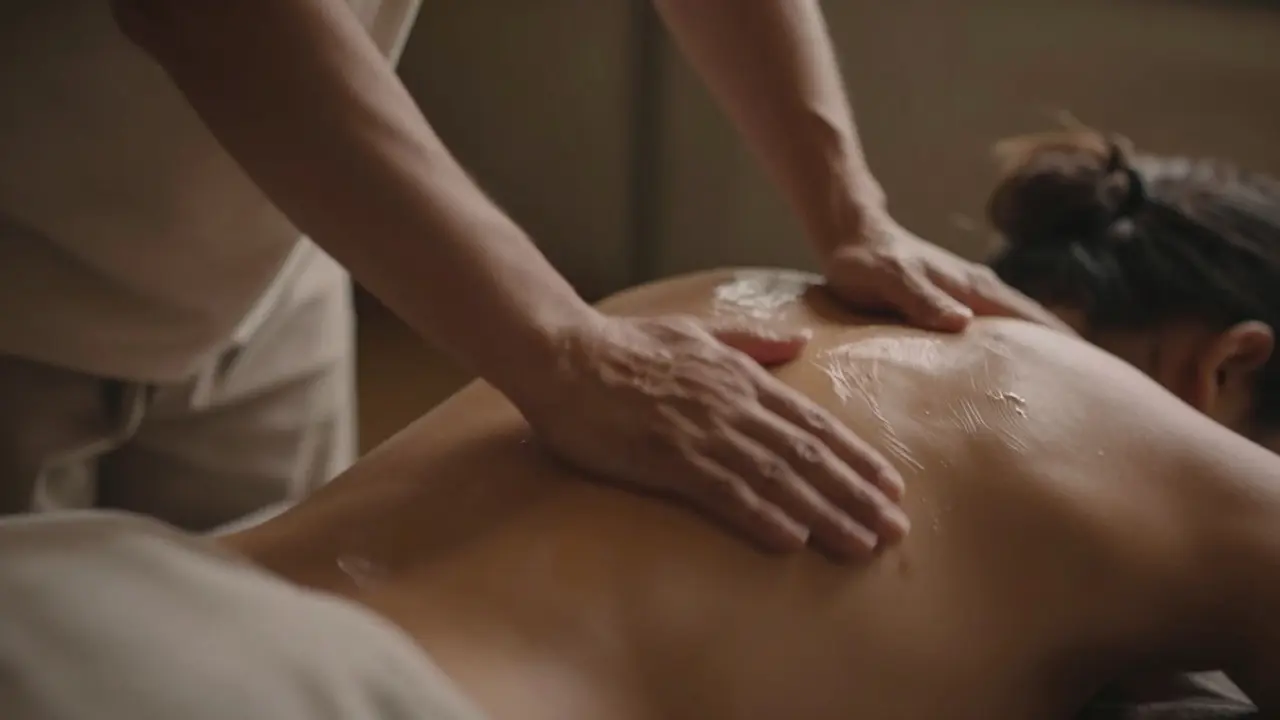
If you are used to Swedish or Deep Tissue massage, lomi lomi will feel strange at first. Western massage tends to be linear. The therapist works on your back, then your legs, then your arms. It is segmented. Lomi lomi is circular and fluid. The therapist uses their forearms, elbows, and even feet to create long, sweeping strokes that mimic the motion of ocean waves.
Here is a quick breakdown of the key differences:
| Feature | Lomi Lomi | Swedish Massage | Deep Tissue |
|---|---|---|---|
| Pace | Slow, rhythmic, flowing | Moderate, steady | Slow, focused pressure |
| Technique | Forearms, palms, full-body strokes | Hands, fingers, effleurage | Thumbs, knuckles, targeted friction |
| Focus | Energy flow (Mana), whole body | Circulation, relaxation | Deep muscle layers, adhesions |
| Spiritual Element | High (prayer, intention) | Low to None | None |
Notice the emphasis on the spiritual element. In lomi lomi, the therapist often begins with a prayer or sets an intention for your healing. This isn't optional fluff; it is central to the experience. The goal is to clear blockages in your mana so that energy can flow freely again. If you prefer a purely clinical approach, this style might not be for you. But if you are open to a mind-body connection, the results can be profound.
What to Expect During a Session
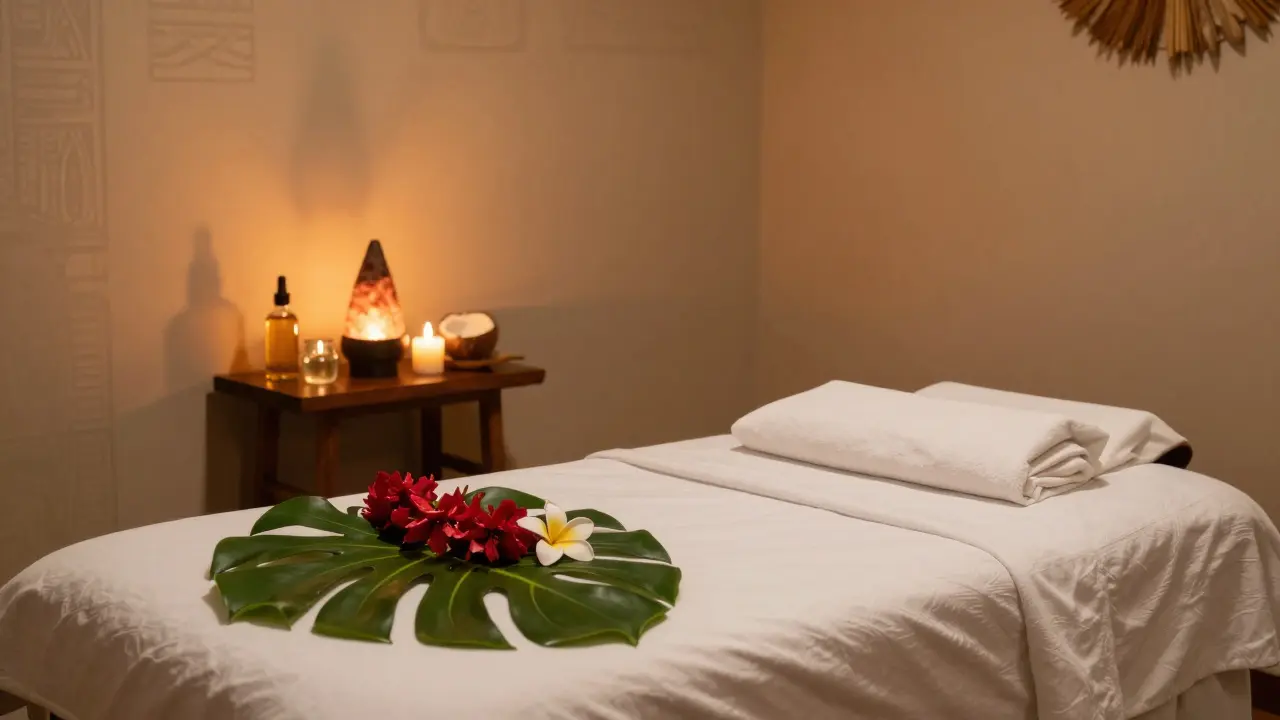
Walking into a lomi lomi session feels different than walking into a standard clinic. The room is usually dimly lit, with soft Hawaiian music playing in the background. You might smell coconut oil, kukui nut oil, or lehua flower extracts. These aren't just scents; they are part of the therapy. Traditional oils are believed to carry medicinal properties that enhance the healing process.
Once you are settled on the table, the therapist won't jump straight into kneading. They will likely spend a few minutes discussing your needs, but also checking your energy. Then, the work begins. Expect long, gliding strokes that start at your feet and move up to your head, or vice versa. The therapist may use their body weight to apply deep pressure without digging in with their thumbs. It feels less like being worked on and more like being held.
A typical session lasts between 60 to 90 minutes. Why so long? Because the rhythm needs time to take effect. Rushing through a lomi lomi session defeats the purpose. The slow pace allows your nervous system to downshift from "fight or flight" to "rest and digest." By the end, you shouldn't just feel relaxed; you should feel grounded.
Health Benefits Beyond Relaxation
While relaxation is the most obvious benefit, lomi lomi offers several other physical and mental advantages. Research into holistic therapies suggests that regular sessions can help with chronic pain management, particularly for conditions like arthritis or fibromyalgia. The deep, rhythmic pressure improves circulation, which helps flush out toxins and reduces inflammation.
Mental health benefits are equally significant. Many clients report reduced anxiety and better sleep quality after just one session. The combination of tactile stimulation and spiritual intention creates a powerful state of mindfulness. It forces you to be present in your body, which is a rare luxury in our digital age. For people suffering from stress-related disorders, this grounding effect can be therapeutic.
Additionally, the use of traditional botanicals adds another layer of benefit. Kukui nut oil, for example, is rich in antioxidants and fatty acids that nourish the skin. Lehua flowers are traditionally used to soothe irritability and promote calmness. When these elements combine with skilled manual therapy, the result is a comprehensive wellness treatment.
Finding a Qualified Practitioner
Not every massage therapist is trained in lomi lomi. Because it is a specialized skill, you need to find someone who has studied under a certified instructor or has extensive experience in Hawaiian healing traditions. Look for credentials such as certification from the Hawaiian Massage Association or training from recognized schools like the Kahuna Lapaʻau Institute.
When booking, ask questions. Do they incorporate traditional prayers? Do they use native oils? Are they trained in both the physical and spiritual aspects of the modality? A genuine practitioner will be happy to explain their approach. Be wary of places that offer "lomi lomi" as just another menu item alongside sports massage and hot stones, without any mention of its cultural roots.
In cities like Seattle, Portland, and San Francisco, there are growing numbers of therapists specializing in this art. However, the best experiences are still found in Hawaii itself, where the culture permeates every aspect of life. If you plan to travel there, seek out local healers rather than resort spas for an authentic experience.

Preparation and Aftercare Tips
To get the most out of your session, preparation matters. Avoid heavy meals right before your appointment. Drink plenty of water throughout the day to keep your tissues hydrated. Wear comfortable clothing that is easy to remove, as you will likely be undressed to your level of comfort (draped with sheets).
After the session, give yourself time to rest. Don't schedule a high-intensity workout or a stressful meeting immediately afterward. Your body needs time to integrate the changes. Continue drinking water to help eliminate metabolic waste released during the massage. Some people feel a temporary fatigue or emotional release; this is normal. It means your body is processing deep-seated tension.
You might also want to apply a small amount of coconut oil to your skin later that evening to maintain moisture. Listen to your body. If you feel sore, it is likely because muscles that haven't been moved in years are finally waking up. Gentle stretching can help alleviate any post-massage stiffness.
The Cultural Significance of Aloha Spirit
You cannot separate lomi lomi from the concept of Aloha ʻĀina, which translates to love of the land. This philosophy emphasizes respect for nature, community, and oneself. The massage is an extension of this love. It is a way of caring for the vessel that carries you through life.
Practitioners view themselves as stewards of this tradition. They are not just technicians; they are caretakers of a cultural heritage. By participating in lomi lomi, you are engaging with a living history. You are honoring the ancestors who preserved this knowledge against all odds. This adds a layer of depth to the experience that goes beyond physical relief. It becomes an act of connection-to the healer, to the land, and to yourself.
Is lomi lomi massage painful?
It depends on your tolerance and the therapist's technique. While it involves deep pressure, the movements are smooth and flowing, which generally makes it less painful than deep tissue massage. However, if you have chronic tension, you may feel some discomfort as knots are released. Always communicate with your therapist about pressure levels.
Can I get lomi lomi if I am not Hawaiian?
Yes, absolutely. Lomi lomi is available to everyone regardless of ethnicity or background. Many practitioners welcome non-Hawaiians and appreciate the interest in their culture. The key is approaching the session with respect and an open mind.
How often should I receive a lomi lomi massage?
For general wellness, once a month is sufficient. If you are dealing with chronic pain or high stress, weekly or bi-weekly sessions may be beneficial. Listen to your body and adjust accordingly. Consistency is key to maintaining the flow of energy.
What oils are typically used in lomi lomi?
Traditional practitioners often use kukui nut oil, coconut oil, or blends infused with native flowers like lehua or plumeria. These natural oils are gentle on the skin and carry aromatic properties that enhance relaxation. Some therapists may also use lanakila oil, which is made from the bark of the lanakila tree.
Does lomi lomi require special training?
Yes, it requires specialized training. Unlike basic massage techniques, lomi lomi involves understanding Hawaiian anatomy, energy systems, and cultural protocols. Reputable therapists undergo extensive education and apprenticeship to master the art. Look for certifications from accredited institutions.