Contracture Tendon Release: Surgery, Recovery, and Rehabilitation Guide
- Jul, 15 2026
- 0 Comments
- Melinda Underwood
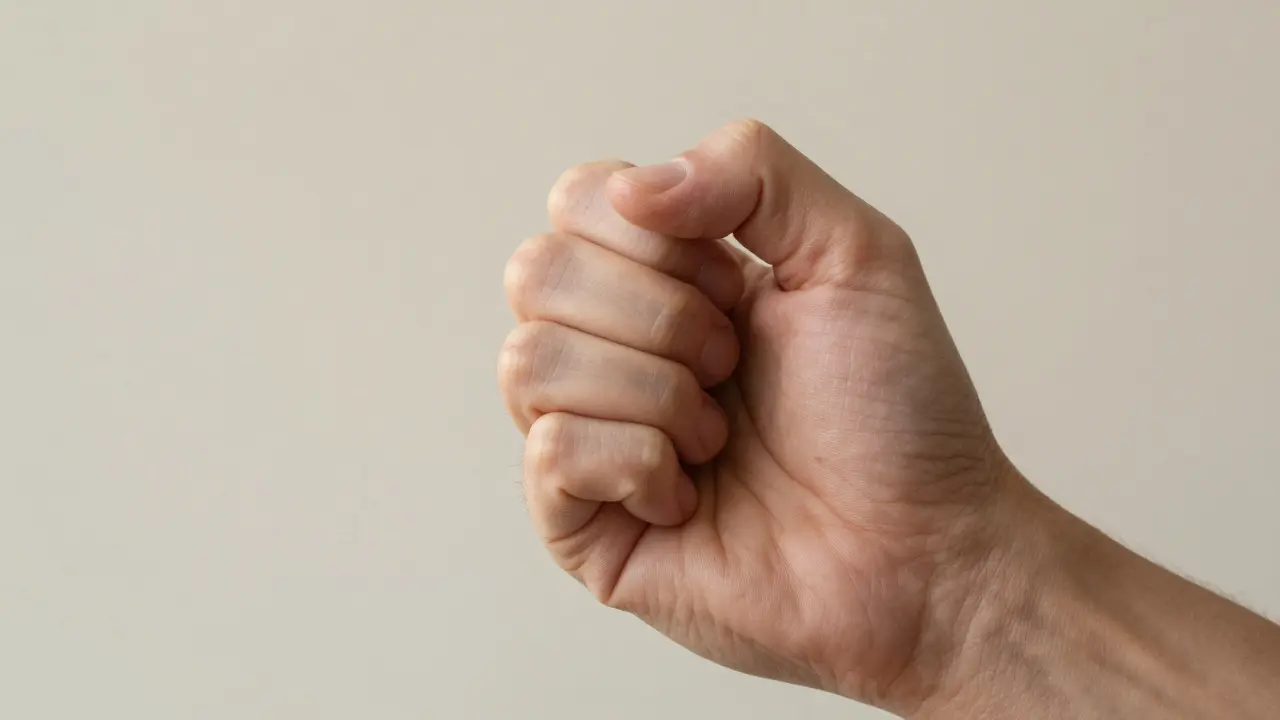
Imagine waking up one morning and realizing you can’t straighten your finger. Or perhaps your knee feels locked in a bend after years of stiffness. This isn’t just discomfort; it’s a physical barrier to daily life. For many people living with contracture tendon release, this loss of mobility is the starting point of a long journey toward restoration. The procedure itself-surgically lengthening or releasing tight tendons-is only half the battle. The real work happens in the weeks and months that follow, where dedicated rehabilitation determines whether you regain full function or remain limited.
If you are facing this surgery or supporting someone who is, you likely have questions about what to expect. Will the pain be manageable? How long until I can use my hand again? Is the outcome guaranteed? These are valid concerns. The truth is that while modern surgical techniques have improved significantly, the success of a contracture tendon release relies heavily on patient compliance during rehab. This guide breaks down the procedure, the recovery timeline, and the specific exercises that make the difference between a good result and a great one.
Understanding Tendon Contractures
Before diving into the solution, it helps to understand the problem. A tendon contracture occurs when a tendon becomes shortened and stiff, preventing a joint from moving through its full range of motion. Tendons are the tough, fibrous cords that connect muscle to bone. When they heal incorrectly after an injury, or when they are subjected to prolonged immobility, they can scar and tighten.
This condition often affects the hands, particularly following burns or nerve injuries like Dupuytren’s contracture. It can also impact the knees, elbows, or ankles after trauma or stroke. The key characteristic is a fixed deformity-the joint physically cannot straighten, no matter how hard you try. Unlike simple stiffness, which might loosen up with heat and gentle movement, a true contracture requires mechanical intervention. That is where surgery comes in.
The Surgical Procedure Explained
During a contracture release surgery, the surgeon makes an incision to access the tightened tendon. Depending on the severity, they may perform a tenotomy (cutting the tendon) or a tenolysis (releasing adhesions around the tendon). In some cases, the tendon is lengthened by Z-plasty, a technique that rearranges the tissue to gain extra length without compromising strength.
The goal is immediate passive motion. Once the tension is released, the therapist or surgeon should be able to gently move the joint to a neutral position. If the joint doesn’t move freely after the cut, there may be other issues, such as capsular tightness or bone changes, which need to be addressed simultaneously. Modern approaches often use minimally invasive techniques to reduce scarring and speed up initial healing, but the complexity varies based on the location and cause of the contracture.
| Condition | Affected Area | Primary Cause |
|---|---|---|
| Dupuytren’s Contracture | Hand/Palm | Genetic/Fibrosis |
| Axel’s Deformity | Thumb | Trauma/Tendinitis |
| Gastrocnemius Tightness | Ankle/Calf | Immobilization/Overuse |
| Elbow Flexion Contracture | Elbow | Fracture/Stroke |
The Critical Role of Early Rehabilitation
Surgery ends when the stitches are in. Rehabilitation begins immediately. The window for optimal outcomes is narrow. Scar tissue forms rapidly, and if the newly released tendon isn’t moved regularly, it will adhere to surrounding tissues and tighten again. This is why early mobilization is non-negotiable.
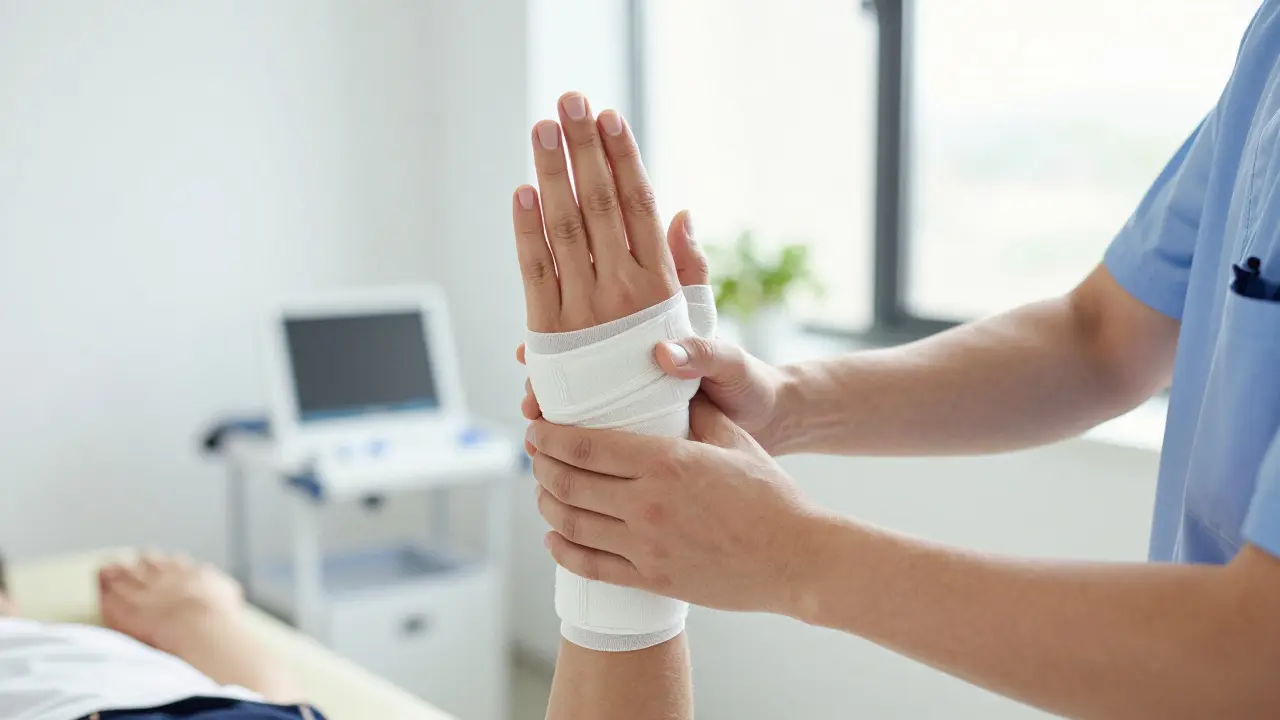
In the first few days post-op, the focus is on controlling swelling and initiating gentle passive motion. You won’t be lifting weights or doing strenuous activities. Instead, a therapist will guide your joint through its new range of motion. This might feel uncomfortable, even painful, but it is essential. Think of it like stretching a rubber band that has been left in the sun-it resists at first, but consistent, gentle pressure restores its elasticity.
Patients often underestimate the intensity of early rehab. It is not a leisurely process. It requires discipline. Missing sessions or skipping home exercises can undo the surgeon’s work within weeks. The mantra here is "motion is lotion." Without movement, the joint stiffens. With controlled movement, it heals stronger and more flexible.
Home Exercises for Long-Term Success
Once you return home, the responsibility shifts largely to you. Your therapist will provide a customized exercise program, but consistency is key. Here are common exercises used in post-contracture release therapy:
- Passive Stretching: Use your unaffected hand to gently push the affected joint into extension. Hold for 15-30 seconds. Repeat 5-10 times every hour while awake.
- Active-Assisted Motion: Try to move the joint on your own, using the other hand only to help complete the range if needed. This strengthens the muscles controlling the movement.
- Scar Massage: After wounds heal, massage the scar tissue with firm pressure in circular motions. This prevents adhesions and keeps the skin pliable.
- Dynamic Splinting: Some patients wear a splint that applies constant low-load stretch over time. This is particularly effective for hand contractures.
Pain is a signal, but not always a stop sign. Mild discomfort during stretching is normal. Sharp, shooting pain is not. Learn to distinguish between the two. If you experience numbness, tingling, or increased redness, contact your therapist immediately.
Managing Pain and Swelling
Pain management is crucial because uncontrolled pain leads to guarding-subconsciously avoiding movement due to fear. This creates a vicious cycle of stiffness. Most surgeons prescribe a short course of opioids for the first few days, followed by acetaminophen or NSAIDs (like ibuprofen) for ongoing inflammation.
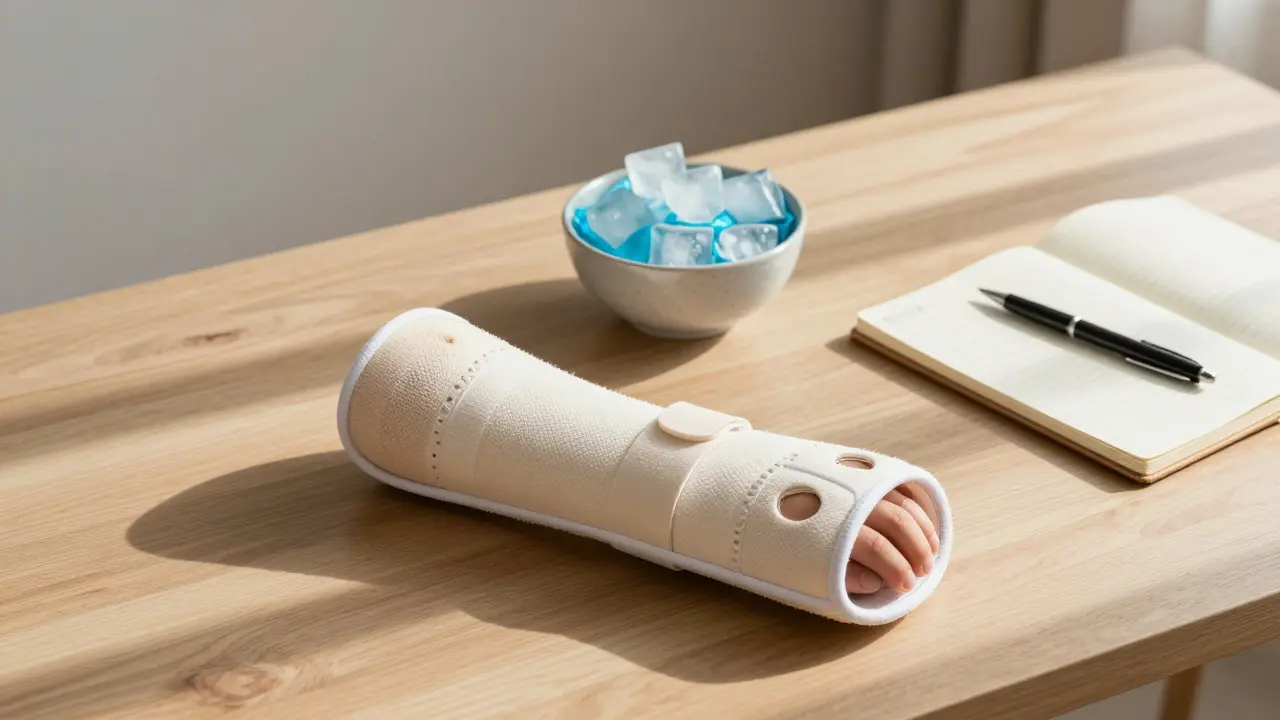
Cryotherapy (ice packs) applied for 15-20 minutes after exercises helps reduce swelling and numbs pain. Elevation is equally important. Keep the operated limb above heart level as much as possible in the first week. Gravity is your enemy in the acute phase; it pulls fluid into the tissues, increasing pressure and pain.
Some patients find relief with transcutaneous electrical nerve stimulation (TENS), though evidence varies. Always consult your doctor before adding any new modality to your regimen. The goal is to keep pain levels manageable enough to participate fully in therapy.
When to Expect Results
Recovery is not linear. You might see significant improvement in the first month, then plateau. This is normal. Scar tissue remodeling continues for up to 12 months. Most patients achieve 80-90% of their final range of motion within three to six months.
Factors influencing recovery include age, overall health, smoking status, and adherence to therapy. Smokers, for instance, often experience slower healing and higher rates of complications due to reduced blood flow. Quitting smoking before surgery can dramatically improve outcomes.
It is also important to manage expectations. While most people regain functional use, returning to pre-injury levels of flexibility may not always be possible, especially in severe or long-standing contractures. However, even partial improvement can significantly enhance quality of life, allowing you to perform tasks like gripping a cup, typing, or walking comfortably.
Preventing Recurrence
One of the biggest fears after release surgery is recurrence. Unfortunately, contractures can come back, particularly in conditions like Dupuytren’s disease. Prevention focuses on maintaining range of motion and addressing underlying causes.
Continue your stretching routine indefinitely, even after you feel "cured." Incorporate these movements into your daily hygiene routine-stretch while brushing your teeth or waiting for coffee. Regular check-ups with your therapist or surgeon can catch early signs of tightening before they become problematic.
Lifestyle modifications also play a role. Ergonomic adjustments at work, proper footwear for ankle/knee issues, and balanced nutrition support tissue health. Vitamin C and protein intake are vital for collagen synthesis and wound healing.
How long does it take to recover from contracture tendon release?
Initial recovery takes 4-6 weeks for wound healing and basic motion. Full rehabilitation and scar maturation can take 6-12 months. Consistent therapy is required throughout this period to maximize results.
Is contracture tendon release surgery painful?
The surgery itself is performed under anesthesia, so you feel no pain during the procedure. Post-operative pain is typically moderate and manageable with medication. Discomfort during rehabilitation stretches is common but should not be severe.
Can contractures come back after surgery?
Yes, recurrence is possible, especially in genetic conditions like Dupuytren’s contracture. Lifelong maintenance exercises and regular monitoring are recommended to prevent re-tightening of the tissues.
What are the risks of tendon release surgery?
Risks include infection, nerve damage, bleeding, stiffness, and recurrence. Choosing an experienced surgeon and adhering strictly to post-op protocols minimizes these risks significantly.
Do I need a splint after surgery?
Many patients require a static or dynamic splint to maintain the corrected position while tissues heal. Your therapist will customize the splinting protocol based on your specific surgery and progress.