Balinese Massage Guide: Techniques for Deep Relaxation and Healing

- Apr, 7 2026
- 0 Comments
- Ferdinand Kingsley
Quick Takeaways for Your First Session
- Pressure: Expect a mix of gentle strokes and firm, deep pressure.
- Goal: To improve blood flow, reduce stress, and flush out toxins.
- Sensation: You'll feel a lot of skin rolling and kneading, which can be intense but rewarding.
- Duration: Usually lasts between 60 to 120 minutes for full effectiveness.
How the Magic Actually Works
The core of this therapy is all about variety. Your therapist won't just stick to one motion. Instead, they use a sequence of moves that keep your body guessing, which prevents your muscles from "guarding" or tensing up against the pressure. They start with long, gliding strokes to warm up the tissue, then move into deeper work.
One of the most distinct parts of the process is skin rolling. This is where the therapist gently lifts and rolls the skin away from the muscle. It sounds a bit scary, but it's actually a brilliant way to break up fascia adhesions-those sticky bits of connective tissue that make you feel stiff. When you combine this with acupressure, which involves applying targeted pressure to specific points on the body, you get a deep release that a standard massage often misses.
Ever wondered why you feel so light afterward? It's because the technique stimulates the lymphatic system. By pushing fluids toward the lymph nodes, the body can more efficiently remove metabolic waste. If you've been hitting the gym hard or traveling across time zones, this detoxifying effect is a game-changer.
The Role of Essential Oils and Aromatherapy
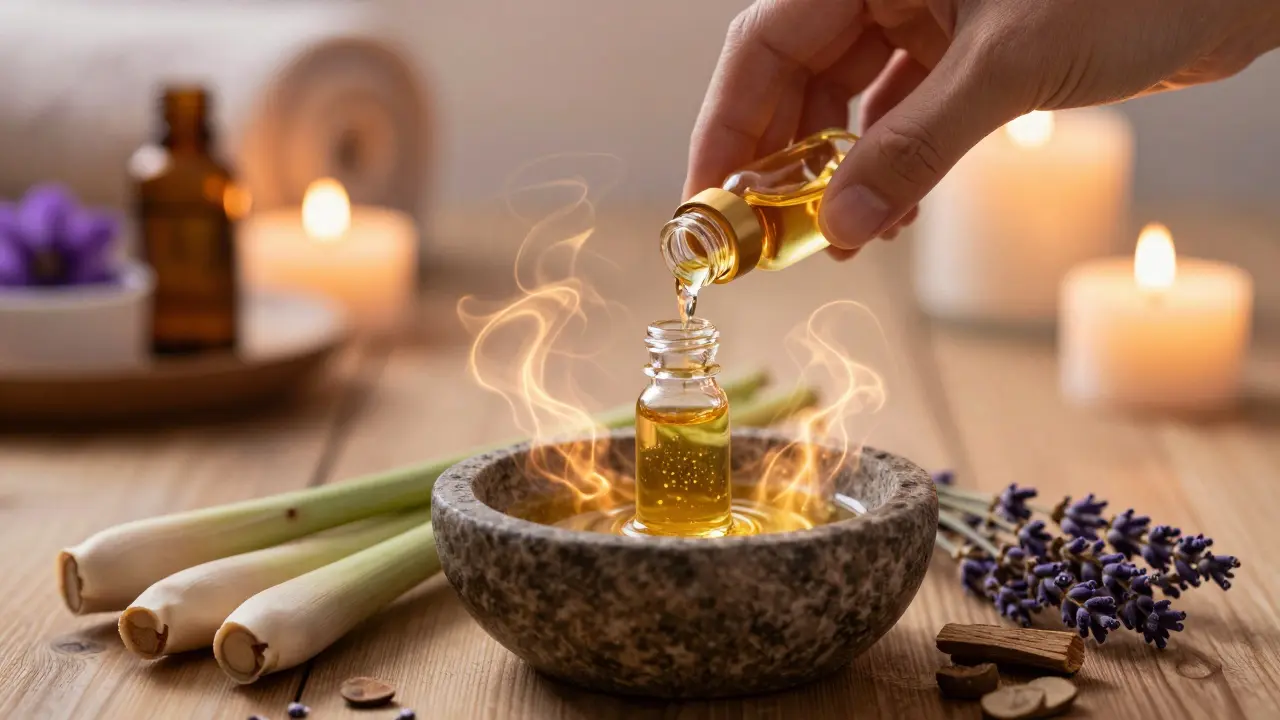
You can't have a real Balinese experience without the scent. In Indonesia, aromatherapy isn't just a fancy addition; it's a functional part of the healing. The oils used are chosen to match the intended outcome of the session.
For instance, if you're fighting insomnia or high anxiety, you'll likely smell lavender or sandalwood. If you're feeling sluggish and need an energy boost, the therapist might use lemongrass or peppermint. These scents interact with the limbic system in your brain, triggering a relaxation response before the therapist even touches your skin. This prepares your mind to let go of control and actually sink into the table.
| Feature | Balinese Massage | Swedish Massage | Deep Tissue Massage |
|---|---|---|---|
| Primary Goal | Holistic Balance & Relaxation | General Relaxation & Circulation | Chronic Pain & Knot Release |
| Techniques | Skin rolling, acupressure, gliding | Effleurage, petrissage | Slow, deep strokes, friction |
| Pressure Level | Medium to Firm | Light to Medium | Firm to Intense |
| Best For | Stress, fatigue, and general stiffness | Beginners or those seeking a gentle touch | Athletes or people with severe muscle knots |
Who Should Get a Balinese Massage?
This therapy is a great middle ground. If you find Swedish massage too "fluffy" and deep tissue too painful, Balinese massage is your sweet spot. It's particularly effective for people dealing with chronic stress. When we're stressed, our bodies produce cortisol, which keeps our muscles in a state of semi-contraction. The rhythmic nature of the Balinese style tells your brain it's safe to turn off the fight-or-flight response.
It's also a powerhouse for those with poor circulation. Because it incorporates elements of lymphatic drainage, it helps reduce swelling in the ankles and wrists. If you've spent ten hours on a plane from New York to Denpasar, this is exactly what your legs need to feel human again.
However, it isn't for everyone. If you have an active blood clot (DVT) or are recovering from a very recent surgery, you should skip this. The deep pressure and skin rolling can be too aggressive for compromised circulatory systems. Always tell your therapist if you have a skin condition or a particularly sensitive area; a good practitioner will adjust their pressure on the fly.
What to Expect During Your First Session
Walking into a session for the first time can be intimidating. Here is the typical flow so you aren't surprised. First, you'll likely have a brief chat about your "trouble spots." Don't be shy-tell them if your lower back is killing you or if you have a tension headache.
- The Warm-up: The therapist will start with long, sweeping movements using warm oil. This gets the blood flowing and helps you relax into the table.
- The Deep Work: This is where the skin rolling and acupressure come in. You might feel some discomfort, but it should be a "good pain"-the kind that feels like a knot is finally unraveling.
- The Integration: The session usually ends with gentler strokes to soothe the nerves and leave you in a state of bliss.
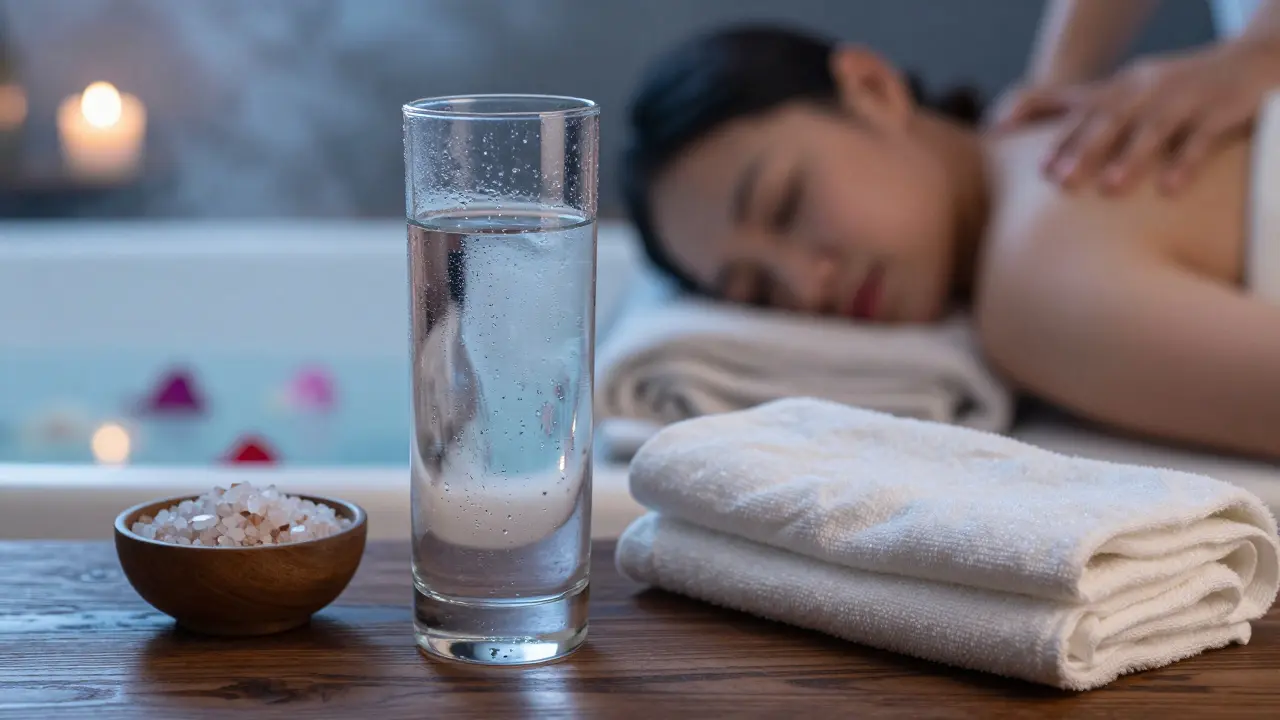
Pro tip: Drink a huge glass of water immediately after your session. Because the massage releases toxins and moves lymph fluid, your kidneys need extra hydration to flush everything out. If you don't, you might wake up the next day feeling a bit groggy or sore, often called a "massage hangover."
Tips for Maximizing the Benefits
To get the most out of your investment, don't just show up and lay down. Start the process an hour before your appointment. Avoid drinking a heavy amount of caffeine or eating a massive meal right before the massage, as this can make you feel nauseous when the therapist works on your abdomen or back.
During the massage, focus on your breathing. When the therapist hits a particularly tight spot, the natural instinct is to hold your breath. This actually makes the muscle tighten up more. Instead, exhale deeply into the pressure. This signals to your brain that you aren't in danger, allowing the muscle to release much faster.
Afterward, resist the urge to jump straight back into a high-stress environment. If you can, take a warm bath with Epsom salts or just lounge for thirty minutes. This extends the relaxation window and helps the muscles stay supple.
Does a Balinese massage hurt?
It depends on your pain tolerance, but generally, it is described as "intense yet relaxing." The skin rolling and acupressure can cause some temporary discomfort, but it's meant to be a therapeutic release. You should always communicate with your therapist to ensure the pressure is right for you.
How often should I get a Balinese massage?
For general wellness and stress management, once a month is a great cadence. If you're dealing with chronic muscle tension or recover from intense athletic activity, once every two weeks may be more beneficial until the tension is resolved.
Can I get this massage if I'm pregnant?
Traditional Balinese massage is very deep, which may not be suitable for all stages of pregnancy. However, many therapists offer a modified prenatal version. Always consult your doctor first and ensure your therapist is certified in prenatal care.
What is the difference between Balinese and Thai massage?
Balinese massage uses oils and focuses on gliding, kneading, and skin rolling for relaxation and circulation. Thai massage, on the other hand, is often performed without oil on a mat and involves more stretching and yoga-like movements, making it more of an active therapy than a passive one.
Will I feel sore the next day?
It is common to feel slight soreness, similar to how you feel after a workout. This is usually a sign that deep-seated tension was released. Drinking plenty of water and taking a warm shower usually resolves this within 24 to 48 hours.
Next Steps for Your Wellness Journey
If you've tried Balinese massage and love the results, you might want to explore other complementary therapies. For those who enjoy the pressure but want something more focused on energy centers, Shiatsu is a great next step. If you're looking for something even more relaxing and light, look into Aromatherapy massage.
The key is consistency. A single massage is a treat, but a regular routine is a healthcare strategy. Start by scheduling a session and paying attention to how your body reacts over the following week. You'll likely find that your sleep improves and your general anxiety levels dip, which is the ultimate goal of this ancient Indonesian art.