Unveiling the Secrets of the Hammam: A Complete Guide to Turkish Bath Rituals
- Aug, 11 2026
- 0 Comments
- Hazel Clarkson
Have you ever stepped into a room where the air feels heavy enough to drink? The steam rises in thick, warm clouds. Your skin starts to glow almost instantly. This is not a spa day at your local mall. This is the Hammam, a traditional Turkish bathhouse that combines cleansing, exfoliation, and relaxation through specific architectural and ritualistic practices. For centuries, this practice has been the heart of social life in the Ottoman Empire and remains a cornerstone of wellness culture today.
Many people think of a hammam as just a hot shower with extra steps. They are wrong. It is a full-body reset button. Whether you are traveling to Istanbul or visiting a modern wellness center in your city, understanding the secrets behind the ritual changes the experience from confusing to transformative. You will leave feeling lighter, cleaner, and deeply relaxed.
The Anatomy of a Traditional Hammam
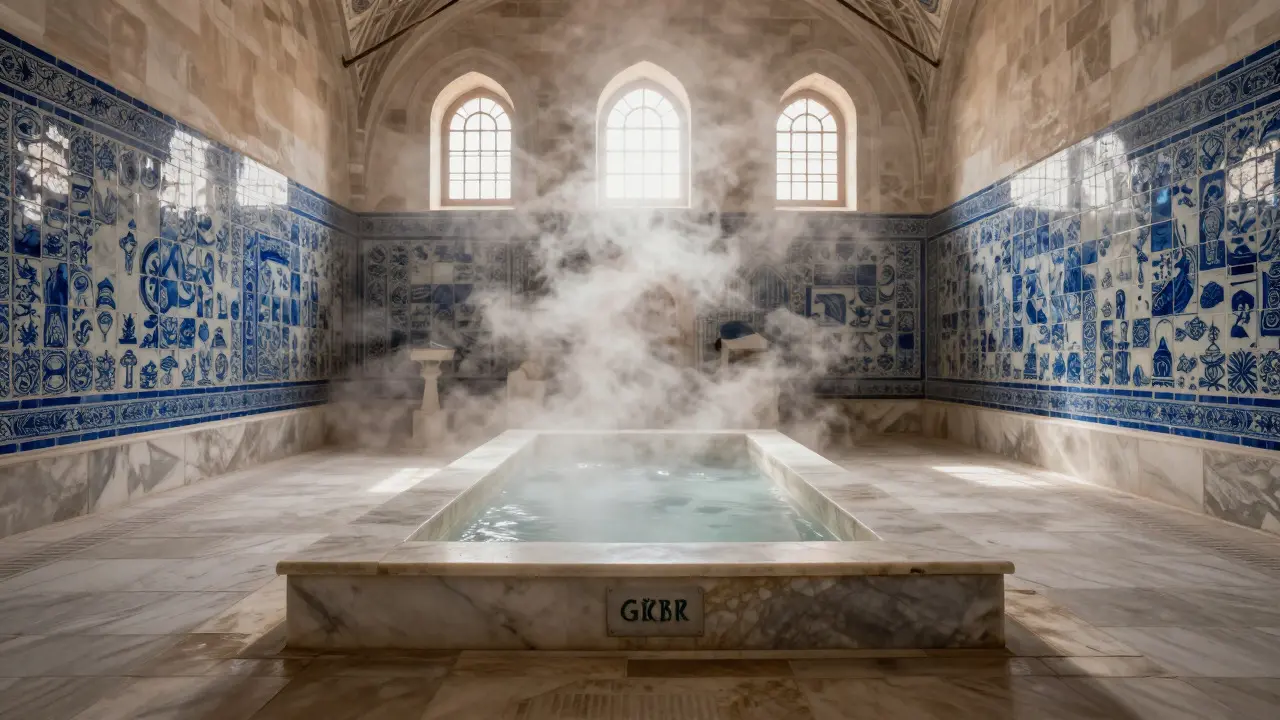
To understand the ritual, you first need to understand the space. A classic hammam is designed with precise engineering to manage heat and water. It is not random. Every stone and tile serves a purpose.
The layout typically includes three distinct zones:
- The Antechamber (Soğukluk): This is the cold room where you undress and store your belongings. It acts as a buffer zone, allowing your body to adjust before entering the heat.
- The Warm Room (Ilımlık): Here, the temperature is moderate. You sit on marble benches to let the steam open your pores gradually. This step is crucial for preventing shock to the system.
- The Hot Room (Sıcaklık): This is the core of the hammam. It features a large heated marble slab in the center called the göbek taşı (navel stone). The ceiling is domed to prevent condensation from dripping onto guests. The walls are lined with tiles that reflect light and maintain humidity.
The architecture itself promotes health. The high ceilings allow hot air to rise, keeping the breathing zone comfortable despite the intense heat. The marble surfaces are not just for looks; they retain heat effectively and provide a smooth surface for the exfoliation process.
The Step-by-Step Hammam Ritual
You do not just walk in and scrub yourself. There is a sequence. Following this order ensures you get the maximum benefit without overheating or drying out your skin. Here is how the traditional process unfolds.
- Preparation: You enter wearing a pestemal, a thin cotton towel used like a sarong. In many places, you will also be given a kese, a coarse mitt made from natural fibers like hemp or linen. This tool is essential for the next steps.
- Sweating: Lie down on the warm marble bench. Close your eyes. Breathe deeply. Let the steam penetrate your muscles. Stay here for 10 to 15 minutes. If you feel dizzy, move to the cooler area immediately. Hydration is key, so sip water before and after.
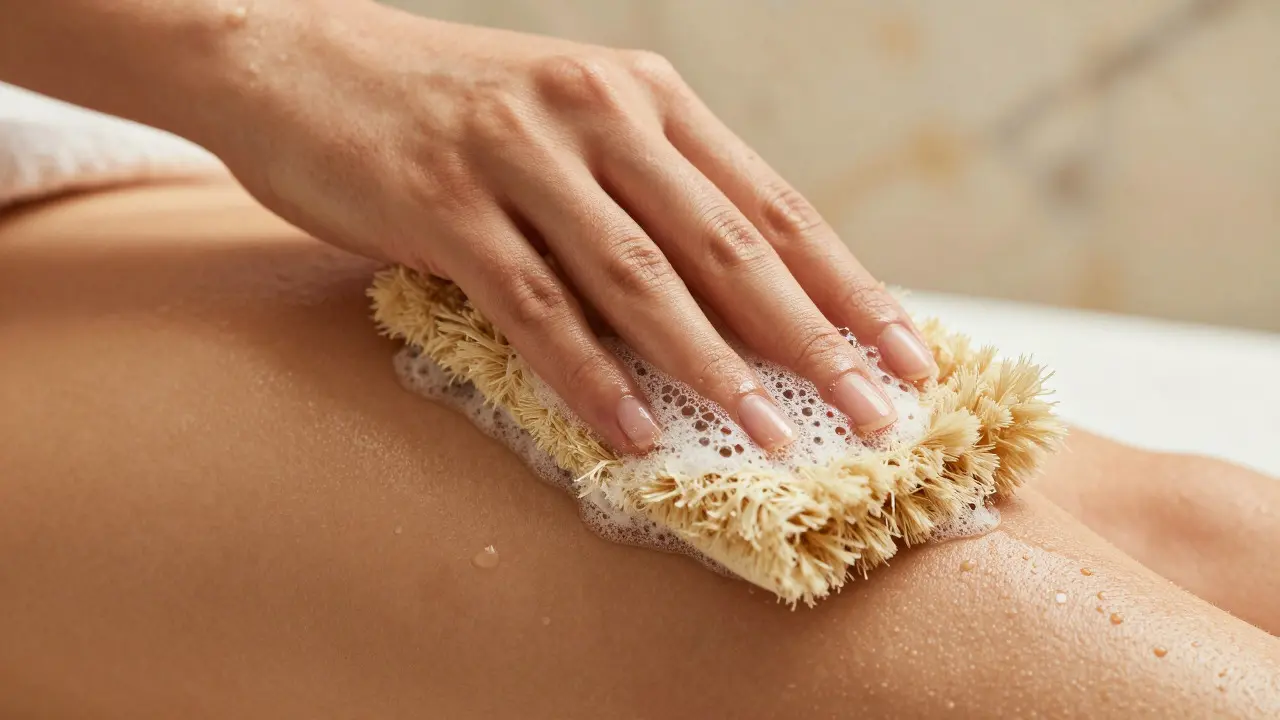
- Exfoliation: This is the secret weapon of the hammam. Using the kese, you gently but firmly scrub your entire body. The friction removes dead skin cells, revealing fresh, soft skin underneath. Many people hire a halkaci (bather) to perform this part, especially on the back and feet, using techniques passed down through generations.
- Soap Lathering: After scrubbing, you apply soap. In a traditional setting, this might be a rich, foamy lather created by the bather using their hands or a sponge. The soap cleanses the newly exposed skin and adds moisture.
- Rinsing: You rinse off with lukewarm water. Avoid ice-cold water immediately after intense heat unless you are experienced with thermal shock therapy. Gradual cooling is safer and more relaxing.
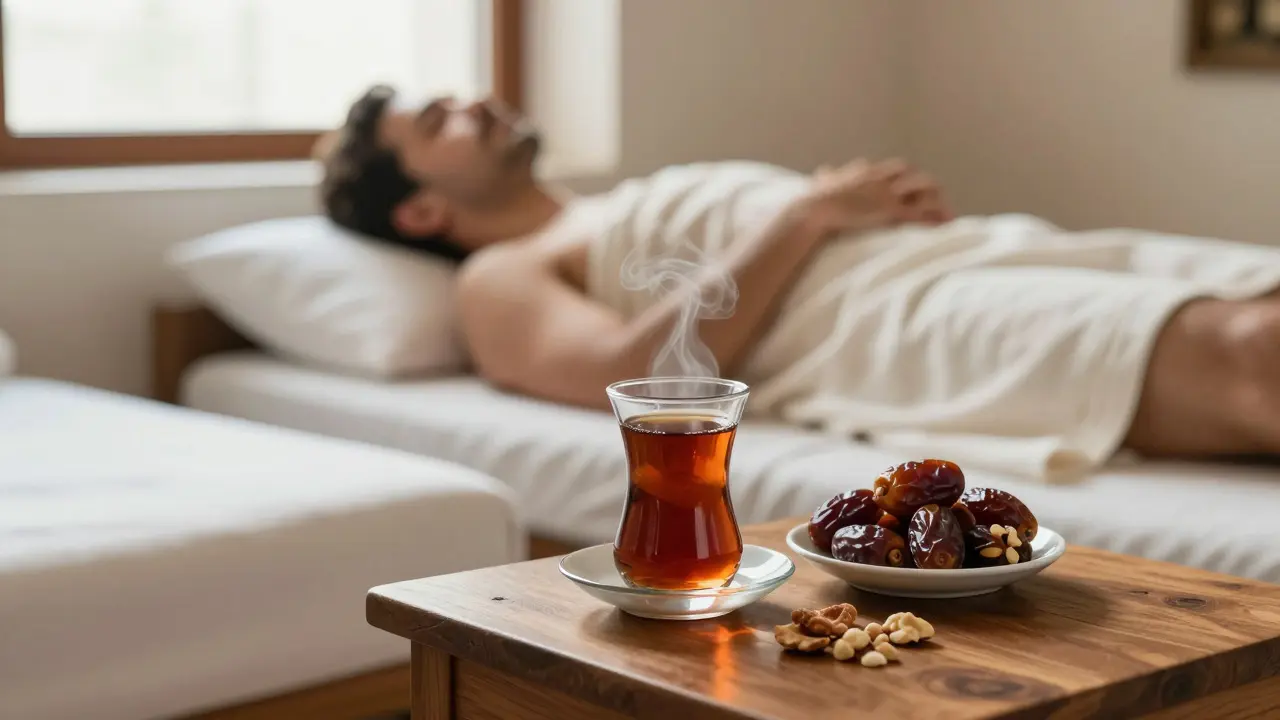
- Rest: Finally, return to the antechamber or a rest area. Drink tea, eat a small snack like dates or nuts, and let your body temperature normalize. This final stage is where the mental benefits kick in.
Why Exfoliation Matters More Than You Think
We often skip exfoliation in our daily routines because it seems tedious. But in the hammam context, it is non-negotiable. Dead skin cells accumulate due to environmental factors, stress, and natural aging. These cells clog pores and make skin look dull.
The kese mitt works differently than a chemical peel. It provides physical removal of the outer layer of the epidermis. This stimulates blood circulation and encourages cell turnover. The result is immediate: your skin feels incredibly smooth, almost silky. Regular hammam visits can improve conditions like mild eczema or psoriasis by reducing scaling and inflammation, though you should always consult a dermatologist for medical advice.
Think of it this way: if you never sweep your floor, dust builds up. Exfoliation is sweeping your skin. The hammam makes this process enjoyable rather than a chore.
Health Benefits Backed by Science and Tradition
Is the hammam just about cleanliness? No. The combination of heat, steam, and massage offers profound health benefits.
| Benefit Category | Mechanism | Outcome |
|---|---|---|
| Muscle Recovery | Heat increases blood flow to tissues | Reduced soreness and faster healing after exercise |
| Stress Reduction | Warmth triggers parasympathetic nervous system | Lower cortisol levels and improved mood |
| Skin Health | Physical exfoliation and hydration | Clearer complexion and softer texture |
| Respiratory Relief | Steam moistens airways | Easier breathing for those with mild congestion |
Studies on sauna use show similar cardiovascular benefits, such as improved endothelial function. While specific research on hammams is less abundant, the physiological principles are identical. The heat causes vasodilation (widening of blood vessels), which lowers blood pressure temporarily and improves circulation. This is why athletes often use steam rooms post-workout.
Furthermore, the social aspect cannot be ignored. Historically, hammams were community hubs. Today, sharing the experience with friends or family fosters connection. The lack of distractions-no phones, no work emails-forces mindfulness. You are present in your body. That alone is a powerful antidote to modern stress.
Modern Adaptations vs. Traditional Practices
Not all hammams are built like ancient Ottoman structures. Modern spas have adapted the concept for Western audiences. What does this mean for you?
In a traditional Turkish hammam, the experience is communal. Men and women may visit at different times or in separate sections. The focus is on hygiene and ritual. In a modern wellness center, you might find private suites, aromatherapy oils, and electronic controls for temperature. The kese scrub is still central, but it might be combined with a facial mask or a full-body massage.
Which is better? It depends on your goal. If you want authenticity and cultural immersion, seek out a traditional establishment. Look for places that mention "Ottoman style" or have historic buildings. If you prefer privacy and added luxury treatments, a modern spa hammam is suitable. Both offer the core benefits of heat and exfoliation.
Be cautious of places that treat the hammam as merely a prelude to a massage. The ritual itself is the treatment. Rushing through the sweating and scrubbing phases diminishes the value.
Practical Tips for Your First Visit
First-timers often feel awkward. That is normal. Here are some practical tips to ensure a smooth experience.
- Hydrate: Drink plenty of water before and after. Steam dehydrates you quickly.
- Timing: Avoid eating a heavy meal right before. A light snack is better. Also, avoid going when you are extremely tired, as the heat can make you drowsy.
- Etiquette: Keep your voice low. Respect others' space. If you are unsure about a step, ask the staff. They are used to guiding newcomers.
- Skincare: Do not apply heavy lotions before entering. The steam and soap will wash them away anyway. Bring your own moisturizer for after the session to lock in hydration.
- Clothing: Wear loose, comfortable clothes afterward. Your skin will be sensitive and warm.
If you have high blood pressure, heart conditions, or are pregnant, consult your doctor before trying a hammam. The heat can strain the cardiovascular system. Listen to your body. If you feel lightheaded, exit the hot room immediately.
The Cultural Significance Beyond Cleaning
In Turkey, the hammam is not just a place to clean. It is a rite of passage. Historically, brides visited the hammam before their wedding to purify themselves. Newborns were taken there after their first bath. It was a place for business deals, political discussions, and socializing.
Today, while the social role has diminished slightly, the cultural weight remains. Locals still view regular hammam visits as essential for well-being. It is comparable to going to the gym or getting a haircut in Western cultures. It is routine maintenance for the soul and body.
Understanding this context enriches your visit. You are participating in a tradition that has survived empires and wars. You are joining a lineage of people who believe that cleanliness is not just physical, but spiritual.
Finding the Right Hammam Near You
You do not need to fly to Istanbul to experience this. Many major cities now have authentic hammams or high-quality replicas. Look for keywords like "Turkish bath," "steam room with exfoliation," or "traditional hammam." Check reviews specifically mentioning the kese scrub quality and the warmth of the marble stones.
If you are in a region without a dedicated hammam, you can replicate parts of the ritual at home. Use a hot shower to create steam. Use a dry brush or a rough washcloth for exfoliation. Follow up with warm towels and deep breathing. It won't be the same, but it captures the essence.
How long should I stay in the hot room?
For beginners, 10 to 15 minutes is sufficient. Experienced users may stay longer, but it is wise to take breaks in the cooler areas. Listen to your body; if you feel dizzy or nauseous, exit immediately.
Do I need to bring my own towel?
Most hammams provide the pestemal (cotton towel) and kese (exfoliating mitt). However, bringing your own personal towel for drying off afterward is hygienic and recommended.
Is the hammam safe for people with sensitive skin?
Generally, yes. The exfoliation is gentle if done correctly. However, if you have active rashes, open wounds, or severe eczema, consult a dermatologist first. Inform the bather of your sensitivity so they can adjust their technique.
What is the difference between a sauna and a hammam?
A sauna uses dry heat (low humidity), while a hammam uses wet heat (high humidity). The hammam focuses heavily on exfoliation and washing, whereas saunas are primarily for sweating and relaxation without the scrubbing component.
Can men and women visit together?
In traditional Turkish hammams, spaces are often segregated by gender or time slots. Modern spas may offer mixed-gender hours or private suites. Always check the specific rules of the establishment you plan to visit.