The Ultimate Guide to Sports Massage and Its Benefits
- May, 13 2026
- 0 Comments
- Hazel Clarkson
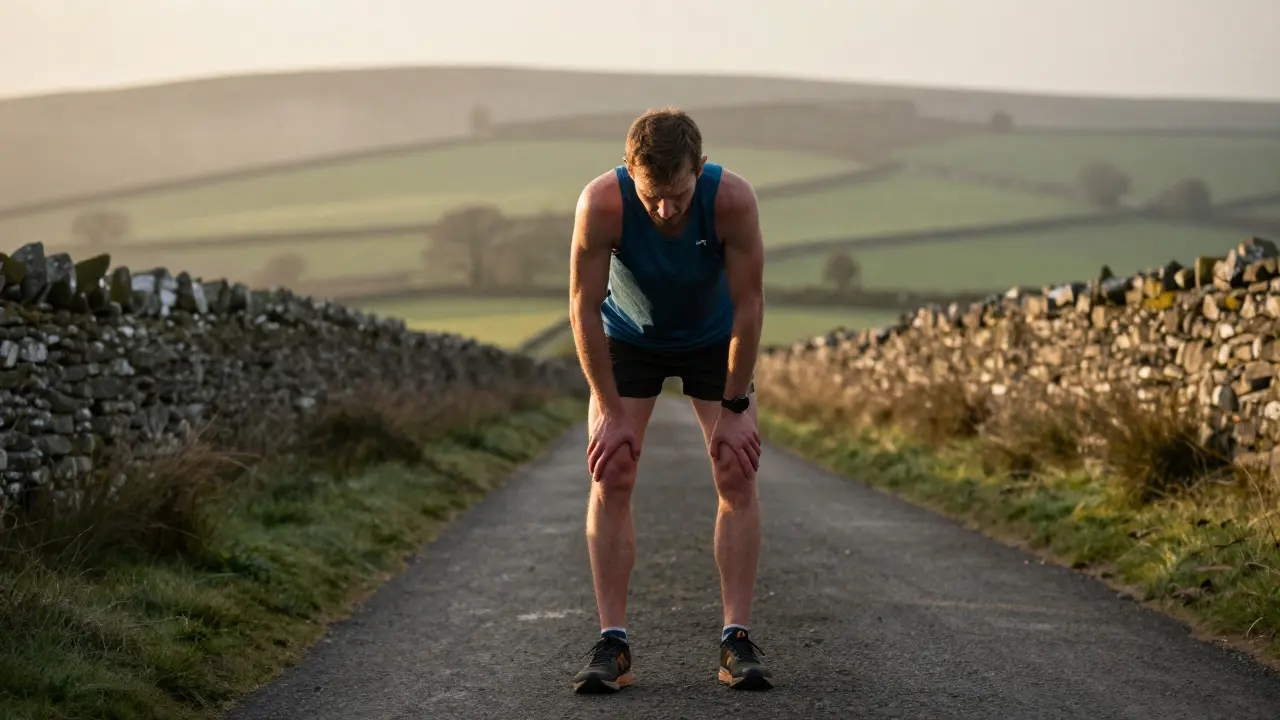
You just finished a grueling marathon. Your legs feel like lead, your shoulders are tight from the run, and you’re dreading tomorrow’s soreness. Or maybe you’re an office worker who spends eight hours hunched over a keyboard, wondering why your lower back never seems to stop aching. In both scenarios, sports massage might be exactly what your body needs. It isn’t just for Olympic athletes or professional football players anymore. Today, it is a practical tool for anyone who moves their body-whether that movement happens on a tennis court, in a gym, or even at a desk.
Sports massage is a specialized form of manual therapy designed to prevent injuries, enhance performance, and aid recovery in physically active individuals. Unlike a relaxation massage where you drift off to sleep, this treatment is targeted, purposeful, and often intense. It focuses on specific muscle groups used in physical activity. If you have ever wondered why your muscles feel stiff after exercise or how to speed up your recovery time, understanding the mechanics of sports massage can change how you approach fitness and health.
What Exactly Is Sports Massage?
To understand sports massage, you first need to distinguish it from other types of bodywork. A Swedish massage, for instance, uses long, gliding strokes to promote general relaxation and improve circulation. It feels good, but it doesn’t necessarily address deep-seated tension. Sports massage, however, integrates stretching, compression, and deep friction into the treatment plan. It targets the specific muscles involved in your sport or daily activities.
The technique relies heavily on anatomical knowledge. A therapist performing sports massage understands how muscles attach to bones (insertions and origins) and how they function during movement. They aren’t just rubbing oil on skin; they are working on fascial layers, tendons, and ligaments. Think of it as maintenance for a high-performance engine. You wouldn’t just wash the outside of a race car and expect it to run faster; you need to tune the engine, check the brakes, and ensure all parts work together smoothly. That is what sports massage does for your musculoskeletal system.
This type of therapy is typically divided into three categories based on timing: pre-event, post-event, and maintenance. Each serves a distinct purpose. Pre-event massages are short and stimulating, preparing muscles for action. Post-event massages focus on reducing metabolic waste and calming the nervous system. Maintenance massages occur regularly between competitions or workouts to keep tissues pliable and prevent injury. Knowing which type you need depends entirely on your current physical state and goals.
The Core Benefits Beyond Relaxation
While feeling relaxed is a nice side effect, the real value of sports massage lies in its physiological impact. Let’s look at what actually happens under the skin when a skilled therapist works on your tissue.
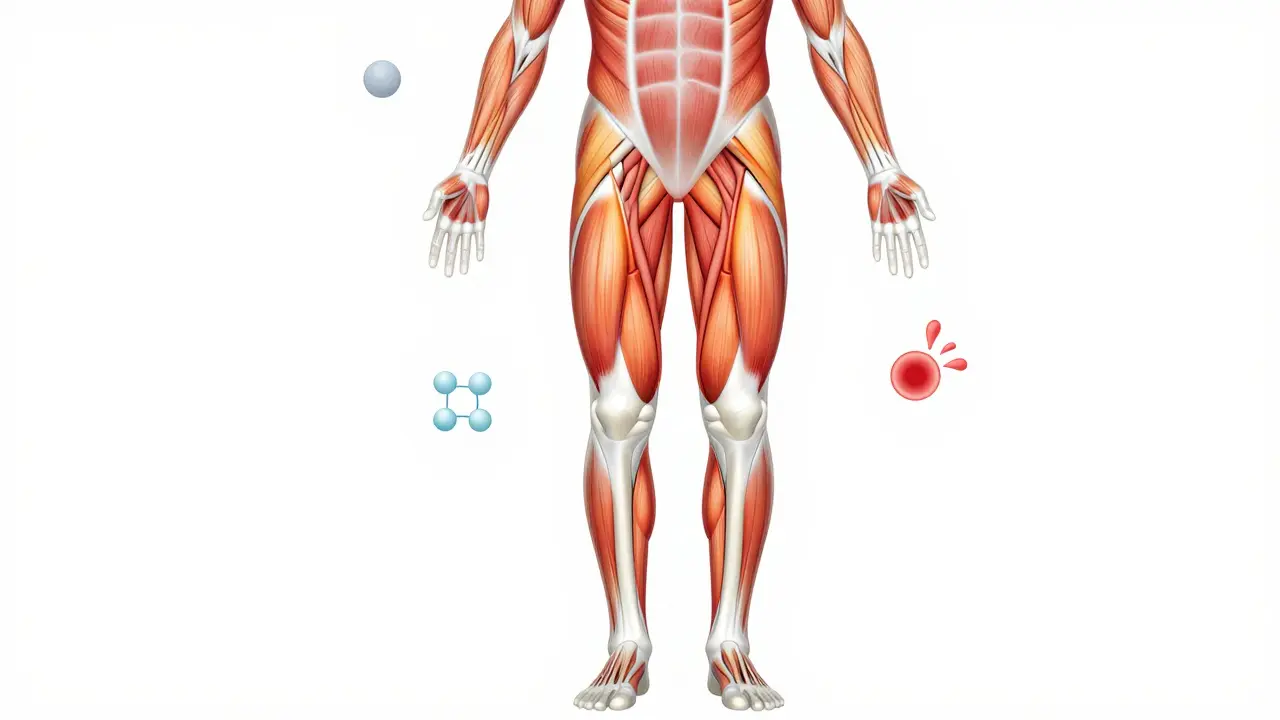
- Improved Circulation: Deep pressure helps pump blood through congested areas. This brings fresh oxygen and nutrients to starving muscle cells while carrying away lactic acid and other metabolic waste products. Better blood flow means faster healing times.
- Reduced Muscle Tension: Chronic tension creates trigger points-those annoying knots that refer pain to other parts of your body. Sports massage breaks down these adhesions in the fascia, restoring normal muscle length and function.
- Increased Range of Motion: By loosening tight connective tissue, you gain flexibility without forcing a stretch. This is crucial for preventing strains and tears during sudden movements.
- Pain Management: The pressure stimulates nerve endings that can block pain signals (known as the Gate Control Theory). It also reduces inflammation markers in the body, offering natural relief from chronic conditions like lower back pain or plantar fasciitis.
- Mental Clarity: Physical stress often manifests as mental fog. Releasing physical tension can lower cortisol levels, helping you focus better whether you are training for a competition or tackling a work project.
These benefits compound over time. Regular sessions don’t just fix immediate problems; they build resilience. Athletes who incorporate sports massage into their routine report fewer days lost to injury and higher consistency in their training loads. For non-athletes, it means less time spent icing knees and more time enjoying life.
Pre-Event vs. Post-Event: Timing Matters
One of the biggest mistakes people make is treating all massages the same. The timing of your session drastically changes the technique and outcome. If you show up to a deep tissue session ten minutes before a 5K run, you will likely perform worse, not better. Here is how to navigate the timing spectrum.
Pre-Event Massage should be brief, usually lasting 10 to 15 minutes. The goal is arousal, not exhaustion. Therapists use brisk, energizing strokes to increase heart rate and warm up muscles. They avoid deep static stretching or intense pressure that could cause micro-tears in already fatigued tissue. Think of it as a dynamic warm-up performed by hands instead of exercises. It primes the nervous system for peak performance.
Post-Event Massage, on the other hand, is about restoration. Immediately after intense activity, your muscles are inflamed and filled with metabolic byproducts. A gentle, effleurage-based massage helps flush out these toxins and reduce swelling. Within 24 to 48 hours, the focus shifts to repairing damage. Therapists may use deeper techniques to address specific areas of strain caused by the event. Ignoring this window can lead to chronic stiffness and prolonged recovery.
Maintenance Massage is the backbone of any serious athlete’s regimen. Occurring every two to four weeks, these sessions identify potential problem areas before they become injuries. They maintain tissue elasticity and correct imbalances caused by repetitive motions. For example, runners often develop tight hip flexors and weak glutes. A maintenance massage addresses the tightness while allowing strength training to handle the weakness.
| Type | Timing | Primary Goal | Technique Intensity |
|---|---|---|---|
| Pre-Event | 1-2 hours before activity | Stimulation & Preparation | Light to Moderate |
| Post-Event | Within 24-48 hours after | Recovery & Waste Removal | Gentle to Moderate |
| Maintenance | Regular intervals (every 2-4 weeks) | Injury Prevention & Balance | Moderate to Deep |
Who Actually Needs Sports Massage?
There is a myth that sports massage is reserved for elite competitors. The reality is much broader. Anyone who engages in repetitive motion or places stress on their body can benefit. This includes weekend warriors who play soccer once a month, cyclists commuting to work, or dancers practicing daily.
Consider the "weekend warrior" scenario. You sit at a desk all week, developing tight hip flexors and rounded shoulders. On Saturday, you hike for six hours. Your body isn’t prepared for the sudden demand. Sports massage helps bridge the gap between sedentary weekdays and active weekends by keeping tissues loose and mobile. It prevents the "I’m so sore I can’t walk" feeling that often leads to skipping future activities.
For professionals, the stakes are higher. A dancer missing a rehearsal due to a strained calf loses income and reputation. A software developer suffering from chronic carpal tunnel syndrome faces long-term disability. In these cases, sports massage is not a luxury; it is an occupational necessity. It extends career longevity by managing wear and tear.
Even if you don’t compete, your body is still an instrument. If you lift heavy boxes, carry children, or garden vigorously, your muscles undergo stress similar to athletes. Recognizing your body as a performance machine changes how you care for it. Regular maintenance prevents small issues from becoming major injuries.
Finding the Right Therapist
Not all massage therapists are trained in sports-specific techniques. While many licensed massage therapists (LMTs) offer deep tissue work, true sports massage requires additional education in kinesiology, anatomy, and biomechanics. When searching for a provider, look for certifications from recognized organizations such as the National Certification Board for Therapeutic Massage and Bodywork (NCBTMB) or specific credentials like Certified Athletic Trainer (CAT) or Board Certified Sports Massage Therapist (BCSMT).
Ask questions during your consultation. Do they ask about your activity level? Do they assess your posture and range of motion? A good sports massage therapist acts like a mechanic diagnosing an engine. They won’t just rub your back; they will ask why it hurts, when it started, and what movements aggravate it. This diagnostic approach ensures the treatment addresses the root cause, not just the symptom.
Communication is key. During the session, provide feedback. If it hurts too much, say so. Pain is not always progress. Effective sports massage should feel intense but manageable. You want to release tension, not trigger a protective spasm. Building trust with your therapist allows them to tailor each session to your evolving needs.
Integrating Massage Into Your Routine
Sports massage works best when combined with other recovery strategies. It is not a standalone cure-all. Pair it with proper hydration, nutrition, and sleep. Water helps flush out toxins released during massage. Protein supports tissue repair. Sleep is when your body does most of its healing work. Neglecting these basics undermines the benefits of even the best massage.
Create a recovery schedule. If you train five days a week, consider a massage every two weeks. Increase frequency during peak training periods or when traveling. Decrease it during rest phases. Listen to your body. If you feel unusually stiff or fatigued, book a session earlier than planned. Proactive care is cheaper and less painful than reactive treatment.
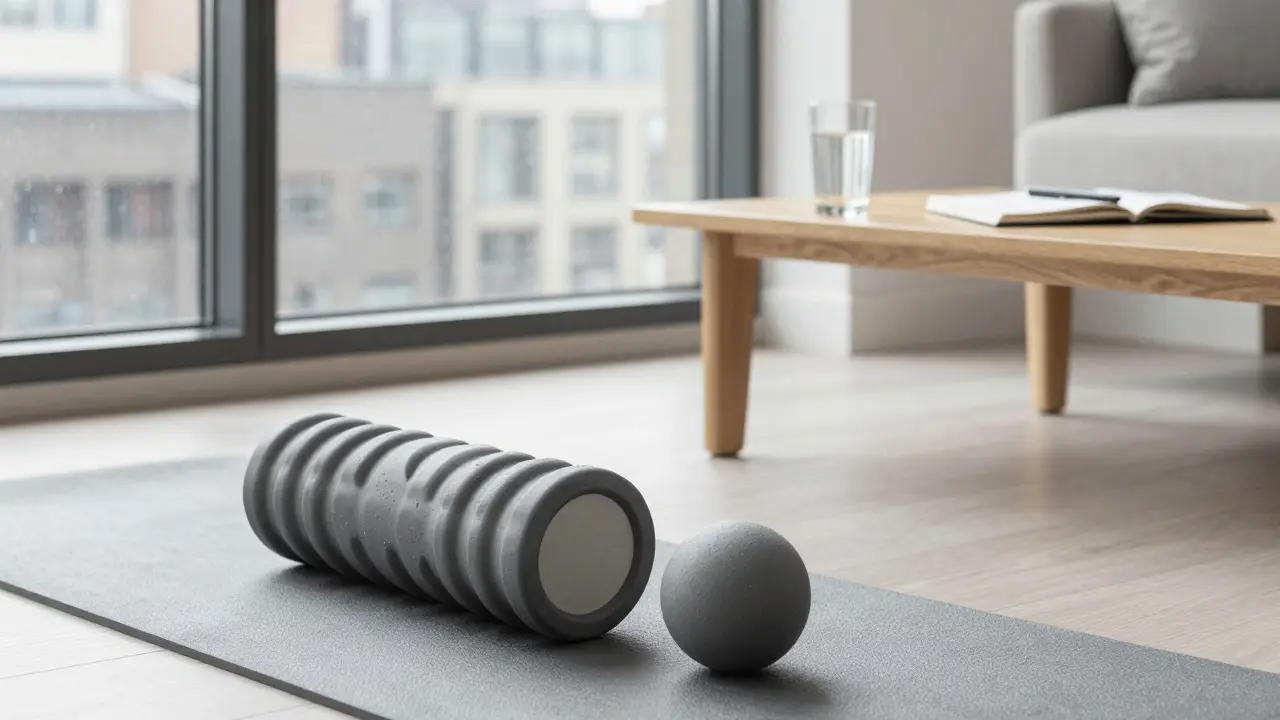
Finally, educate yourself. Learn basic self-massage techniques using foam rollers or massage balls. These tools can help maintain gains between professional sessions. A therapist can teach you which areas to target and how to apply pressure safely. This empowers you to take control of your recovery process.
How often should I get a sports massage?
Frequency depends on your activity level. Competitive athletes may benefit from weekly sessions during peak training. Recreational athletes and active individuals typically find success with bi-weekly or monthly treatments. During periods of low activity or injury recovery, you might need more frequent visits initially, then taper off as you heal.
Does sports massage hurt?
It can be uncomfortable, especially if you have significant tension or scar tissue. However, it should not be excruciating. Good therapists adjust pressure based on your feedback. Sharp, shooting pain is a sign to stop; dull, deep pressure is usually therapeutic. Communication with your therapist ensures the experience remains beneficial rather than traumatic.
Can sports massage help with chronic pain?
Yes, particularly pain stemming from muscular imbalances or repetitive strain. Conditions like lower back pain, neck tension, and tendonitis often respond well to sports massage. It addresses the underlying mechanical issues contributing to pain. However, it should be part of a comprehensive treatment plan including physical therapy and lifestyle changes.
Is sports massage different from deep tissue massage?
They overlap significantly, but sports massage is more functional. Deep tissue focuses on breaking up adhesions in deeper muscle layers regardless of cause. Sports massage specifically targets muscles involved in athletic performance or specific activities. It incorporates stretching and assessment of movement patterns, making it more holistic for active individuals.
Should I drink water after a sports massage?
Absolutely. Drinking water helps your kidneys flush out metabolic waste products released from your muscles during the massage. It also rehydrates tissues that may have been dehydrated due to inflammation. Aim for at least 16-20 ounces of water within the first hour after your session to maximize recovery benefits.