The Science Behind Percussion Massage: Mechanisms, Benefits, and Best Practices
- Jun, 23 2026
- 0 Comments
- Cecilia Scripps
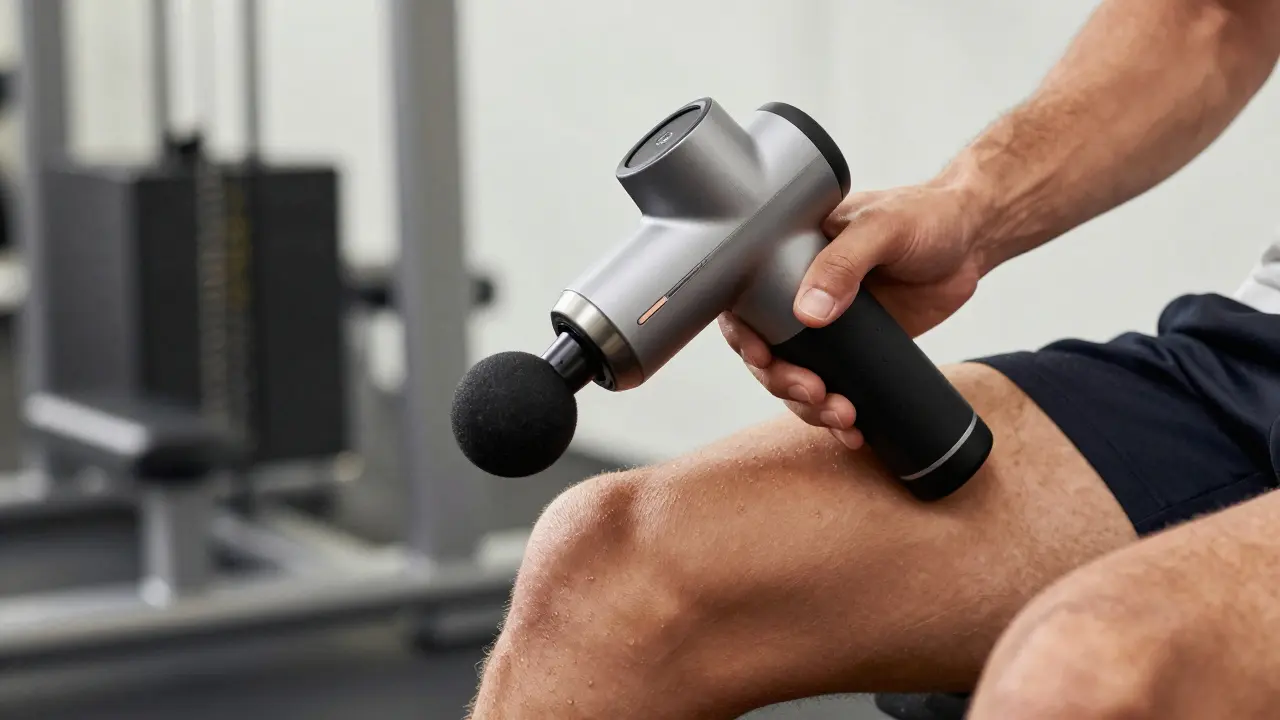
Ever wonder why athletes keep those noisy, vibrating guns in their gym bags? It’s not just for show. Percussion massage is a therapeutic technique that uses rapid, repetitive bursts of pressure to target specific areas of the body. While it feels like a high-tech upgrade from an old-school foam roller, the real magic happens under the skin. This isn't just about feeling good; it's about how your body responds to mechanical stress.
If you’ve been curious about whether these devices actually work or if they’re just another wellness trend, you’re asking the right question. The science behind percussion therapy has moved beyond anecdotal evidence into measurable physiological changes. Let’s break down exactly what happens to your muscles, nerves, and circulation when you apply this kind of targeted vibration.
How Percussion Massage Works on a Cellular Level
To understand the benefits, we first need to look at the mechanics. Unlike traditional Swedish massage, which uses long, gliding strokes, percussion therapy relies on rapid compression and decompression. Think of it like tapping a stuck zipper until it slides open. The device delivers hundreds of impacts per minute (IPM) directly into the tissue.
This rapid motion creates two primary effects:
- Mechanical Deformation: The physical force pushes fluid out of congested tissues and pulls fresh, oxygenated blood back in. This exchange helps clear metabolic waste products like lactic acid, which can accumulate after intense exercise.
- Nerve Stimulation: The vibrations stimulate mechanoreceptors-sensory nerves located in your skin and muscles. These receptors send signals to the brain that can override pain signals, a concept known as the Gate Control Theory of pain.
When you use a percussion device, you aren’t just massaging the muscle belly; you are interacting with the connective tissue network surrounding it. This interaction is key to unlocking flexibility and reducing stiffness.
The Role of Blood Flow and Circulation
One of the most well-documented effects of percussive therapy is its impact on hemodynamics-the study of blood flow. Research indicates that localized vibration can significantly increase capillary perfusion. In simpler terms, more blood reaches the working muscles faster.
Why does this matter? Imagine your muscles as a busy highway. After a hard workout, traffic jams occur due to inflammation and micro-tears. Percussion massage acts like emergency lane management, clearing the congestion. A study published in the *Journal of Sports Rehabilitation* found that participants who used percussion therapy post-exercise showed improved range of motion and reduced perceived muscle soreness compared to those who rested alone.
This enhanced circulation also aids in nutrient delivery. Muscles need glucose and amino acids to repair themselves. By boosting blood flow, you essentially speed up the supply chain for recovery. This is why many athletes prefer percussion over static stretching immediately after training-it prepares the tissue for healing without inducing additional fatigue.
Fascia Release and Tissue Elasticity
You might have heard the term “fascia” thrown around in fitness circles. Fascia is the thin, web-like layer of connective tissue that surrounds every muscle, bone, nerve, and organ in your body. When fascia becomes tight or dehydrated, it restricts movement and causes pain. This condition is often referred to as myofascial restriction.
Percussion massage is particularly effective at addressing fascial adhesions. The rapid, deep penetration of the tool helps break up cross-fiber bindings within the fascia. Picture a tangled ball of yarn; gentle pulling might not untangle it, but sharp, rhythmic taps can loosen the knots.
By restoring elasticity to the fascia, percussion therapy improves joint mobility. This is crucial for activities requiring full range of motion, such as yoga, weightlifting, or running. Users often report feeling “lighter” or “looser” after treatment, which is a direct result of reduced fascial tension. This effect is distinct from muscle relaxation; it’s about freeing the structural envelope that holds your muscles in place.
Pain Modulation and the Nervous System
Pain is complex. It’s not just a signal from damaged tissue; it’s a perception created by the brain. Percussion massage influences this perception through several neurological pathways. One major mechanism is the activation of large-diameter nerve fibers (A-beta fibers). These fibers transmit touch and vibration signals quickly to the spinal cord.
When these fast-moving signals arrive, they effectively “close the gate” to slower pain signals (carried by C-fibers) reaching the brain. This is why rubbing a bumped shin feels so good-it distracts the nervous system. Percussion devices amplify this effect by delivering consistent, high-frequency stimulation.
Additionally, there is evidence suggesting that percussion therapy may reduce sympathetic nervous system activity-the “fight or flight” response. Lowering sympathetic tone promotes parasympathetic dominance, or the “rest and digest” state. This shift can lead to decreased heart rate, lower cortisol levels, and an overall sense of calm. For individuals dealing with chronic stress or tension headaches, this systemic relaxation benefit is just as valuable as the local muscle relief.
Comparison: Percussion vs. Traditional Methods
| Feature | Percussion Massage | Foam Rolling | Manual Massage |
|---|---|---|---|
| Depth of Penetration | Deep, targeted | Superficial to moderate | Variable, depends on therapist |
| User Control | High (self-administered) | High (self-administered) | Low (therapist-controlled) |
| Time Efficiency | Very high (1-3 mins per area) | Moderate (5-10 mins per area) | Low (60+ min sessions) |
| Precision | High (specific attachments) | Low (broad surface) | High (hands-on assessment) |
| Cost Over Time | Moderate (device purchase) | Low (roller purchase) | High (recurring fees) |
While foam rolling is excellent for general warmth and broad muscle groups, it lacks the precision to address trigger points in smaller muscles like the rotator cuff or hip flexors. Manual massage offers personalized attention but is time-consuming and expensive. Percussion massage strikes a balance, offering professional-grade depth with consumer-level convenience.
Best Practices for Safe and Effective Use
Having a powerful tool doesn’t mean you should use it recklessly. To maximize benefits and avoid injury, follow these guidelines:
- Avoid Bones and Joints: Never press the device directly against bones, joints, or the spine. Focus on the fleshy parts of the muscles. Hitting bone can cause bruising or nerve irritation.
- Use the Right Attachment: Most devices come with different heads. Use a flat head for large muscle groups (quads, back), a ball head for trigger points, and a fork head for areas like the Achilles tendon or spine (keeping it off the vertebrae).
- Limit Session Time: Spend no more than 1-2 minutes per muscle group. Over-treating an area can lead to inflammation rather than relief. Your goal is stimulation, not destruction.
- Start Slow: If you’re new to percussion, begin on the lowest setting. Gradually increase intensity as your body adapts. Pain should be mild discomfort, not sharp agony.
- Hydrate: Since percussion increases fluid movement, drinking water before and after use helps flush out toxins released from the tissues.
Consistency is key. Using percussion therapy daily for short periods yields better long-term results than occasional intense sessions. Incorporate it into your warm-up routine to prime muscles or your cool-down to aid recovery.
Who Should Avoid Percussion Massage?
Despite its benefits, percussion massage isn’t suitable for everyone. Certain conditions require caution or complete avoidance:
- Blood Clots (DVT): If you have deep vein thrombosis, percussion can dislodge clots, leading to life-threatening complications like pulmonary embolism.
- Open Wounds or Infections: Do not use on broken skin, rashes, or inflamed areas.
- Pregnancy: Consult your healthcare provider before using, especially on the abdomen or lower back.
- Osteoporosis: The impact may pose risks to weakened bones.
- Implanted Devices: Avoid areas near pacemakers or other electronic implants.
Always listen to your body. If something feels wrong, stop immediately. When in doubt, consult a physical therapist or doctor.
Does percussion massage really help with muscle soreness?
Yes, multiple studies suggest that percussion massage reduces delayed onset muscle soreness (DOMS) by improving blood flow and reducing inflammation. It helps clear metabolic waste and relaxes tight muscle fibers, leading to faster recovery times compared to passive rest.
How long should I use a percussion massager on one muscle?
Experts recommend spending 1 to 2 minutes per muscle group. Going longer than this can cause unnecessary tissue irritation or bruising. It’s better to do shorter, frequent sessions than one long, intense treatment.
Can I use percussion massage on my neck?
You can use it on the trapezius muscles (the upper shoulder blades), but you must avoid the cervical spine (neck bones) and the front of the neck where major arteries and nerves are located. Always use a low-intensity setting and a soft attachment for sensitive areas.
Is percussion massage better than foam rolling?
It depends on your needs. Foam rolling is great for broad warming and is cheaper, but it requires more effort and body weight. Percussion massage offers deeper, more targeted relief with less physical exertion, making it ideal for specific trigger points and quick recovery between sets.
Will percussion massage break up scar tissue?
Percussion can help soften and mobilize scar tissue by increasing blood flow and breaking up adhesions in the fascia. However, for significant scar tissue issues, it works best when combined with manual therapy or physical guidance from a professional to ensure proper alignment and healing.