Medical Massage for Mental Health: Benefits, Science & What to Expect
- May, 5 2026
- 0 Comments
- Joshua Snowden
Most of us think of massage as a luxury-a way to unwind after a long week or treat ourselves on a special occasion. But medical massage is a therapeutic technique prescribed by healthcare providers to address specific physical and psychological conditions. Unlike a standard relaxation massage, medical massage targets the root causes of pain, tension, and even emotional distress. In recent years, research has shown that this hands-on therapy does far more than loosen tight muscles; it actively reshapes how your brain handles stress, anxiety, and trauma.
If you have been struggling with chronic anxiety, depression, or the lingering effects of trauma, you might not realize that your body holds the key to feeling better. Medical massage works directly with your nervous system to create lasting changes in your mental state. Here is how this powerful therapy can transform your mental health and what you need to know before booking your first session.
The Mind-Body Connection: How Massage Affects Your Brain
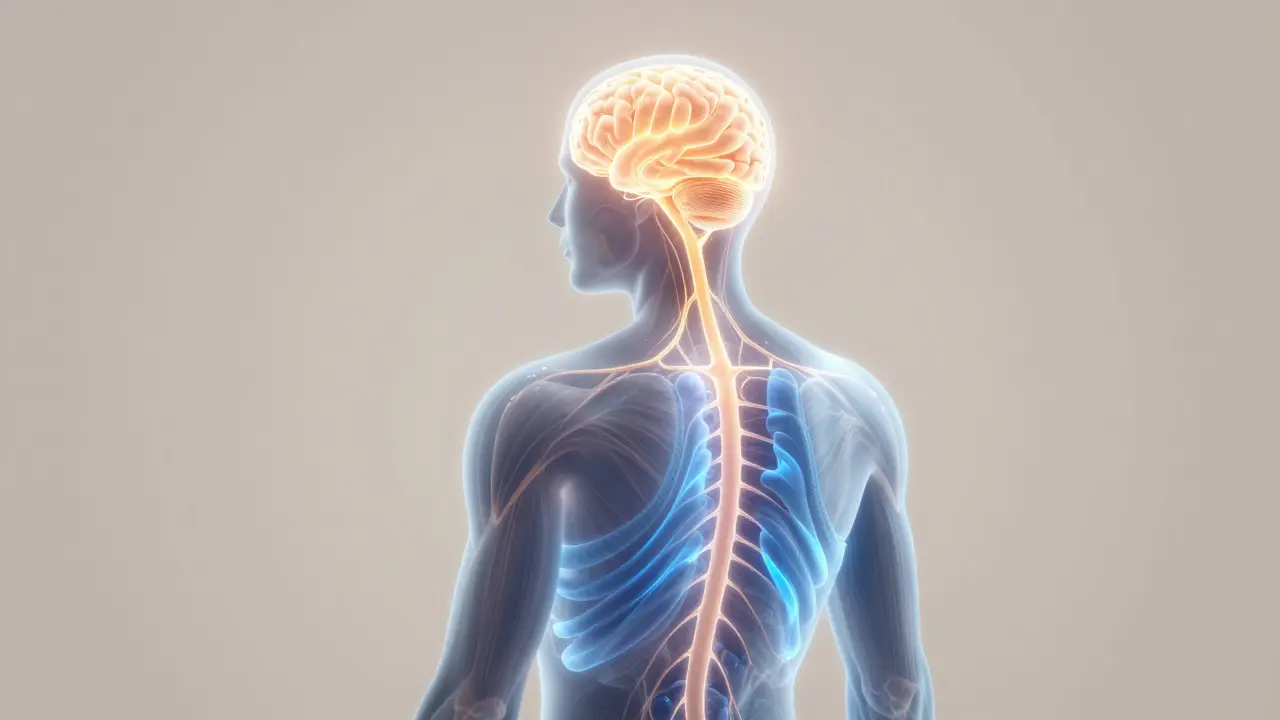
Your mind and body are not separate entities. They communicate constantly through the autonomic nervous system, which controls everything from your heartbeat to your stress response. When you are under chronic stress, your sympathetic nervous system-the "fight or flight" mode-stays switched on. This leads to elevated cortisol levels, rapid heart rate, and a constant sense of unease.
Medical massage interrupts this cycle. By applying targeted pressure to specific muscle groups and trigger points, therapists stimulate the parasympathetic nervous system, often called the "rest and digest" mode. This shift triggers a cascade of neurochemical changes:
- Serotonin increases: This neurotransmitter regulates mood, sleep, and appetite. Higher levels help alleviate symptoms of depression.
- Dopamine rises: Known as the "feel-good" chemical, dopamine boosts motivation and pleasure.
- Cortisol drops: Studies show that medical massage can reduce cortisol levels by up to 53%, significantly lowering stress.
- Oxytocin releases: This hormone promotes bonding and trust, helping to counteract feelings of isolation and loneliness.
These chemical shifts do not just happen during the session. The calming effect can last for days, giving your brain a break from its usual high-alert state. Over time, regular sessions can rewire your brain’s response to stress, making you more resilient to daily pressures.
Tackling Anxiety and Depression Through Touch
Anxiety and depression are often described as mental conditions, but they manifest physically. You might hold tension in your shoulders, clench your jaw, or develop chronic back pain. Medical massage addresses these physical symptoms while simultaneously easing the mental burden.
For anxiety, the rhythmic, predictable nature of massage provides a grounding experience. It forces you to stay present in your body, which is difficult when your mind is racing with worries about the future. Therapists use techniques like myofascial release to gently stretch and relax the connective tissue surrounding your muscles. This process reduces the physical tightness associated with anxiety attacks and creates a sense of safety in your own skin.
In cases of depression, the lack of social touch can be a significant factor. Many people with depression feel isolated and disconnected. The therapeutic touch involved in medical massage provides non-verbal communication and care, which can boost self-esteem and reduce feelings of worthlessness. It is not about replacing therapy or medication, but rather complementing them by addressing the physical stagnation that often accompanies low mood.
Trauma Recovery and Somatic Healing
Trauma leaves a mark on the body. Whether it is from a car accident, physical abuse, or emotional neglect, traumatic experiences can cause muscles to lock up as a protective mechanism. This is known as somatic holding. Traditional talk therapy is essential for processing the narrative of trauma, but it does not always release the physical tension stored in the tissues.
Somatic experiencing and trauma-informed massage focus on releasing this stored energy. Therapists trained in these modalities work slowly and with extreme care, allowing the client to remain in control at all times. They avoid deep, aggressive pressure that could trigger a panic response. Instead, they use gentle, rhythmic movements to help the nervous system discharge the trapped energy.
This approach helps individuals reconnect with their bodies in a safe way. For many survivors of trauma, feeling safe in their own skin is the first step toward healing. Medical massage provides a structured environment where they can learn to tolerate sensation without fear, gradually rebuilding their sense of bodily autonomy.

Improving Sleep Quality for Better Mental Health
Poor sleep and poor mental health form a vicious cycle. Anxiety keeps you awake, and lack of sleep worsens anxiety. Medical massage breaks this cycle by promoting deeper, more restorative sleep. The relaxation response induced by massage increases alpha waves in the brain, which are associated with calmness and drowsiness.
Therapists often focus on areas that commonly disrupt sleep, such as the neck, shoulders, and lower back. By releasing tension in these areas, they reduce physical discomfort that might prevent you from falling asleep. Additionally, the increase in serotonin mentioned earlier is converted into melatonin, the hormone that regulates sleep-wake cycles. Clients frequently report falling asleep faster and staying asleep longer after a series of medical massage sessions.
What to Expect During a Medical Massage Session
Unlike a spa massage, a medical massage session is clinical and focused. It begins with a thorough consultation where the therapist assesses your medical history, current symptoms, and goals. They may ask about your stress levels, anxiety triggers, and any past traumas to tailor the treatment accordingly.
During the session, expect the following:
- Assessment: The therapist will palpate your muscles to identify areas of tension, scar tissue, or restricted movement.
- Targeted Techniques: They may use deep tissue massage, trigger point therapy, or craniosacral therapy depending on your needs.
- Communication: You are encouraged to speak up if something feels too intense or uncomfortable. Consent and comfort are paramount.
- Education: After the session, the therapist may provide stretches or breathing exercises to maintain the benefits at home.
Sessions typically last between 60 to 90 minutes. For mental health benefits, consistency is key. Most professionals recommend weekly or bi-weekly sessions for the first month, followed by maintenance sessions as needed.
| Feature | Standard Relaxation Massage | Medical Massage |
|---|---|---|
| Purpose | General relaxation and leisure | Treatment of specific physical/mental conditions |
| Technique | Gentle, flowing strokes | Targeted, deep, and varied techniques |
| Provider | Masseuse/Masseur | Licensed Massage Therapist (LMT) or Physical Therapist |
| Insurance Coverage | Rarely covered | Often covered with a doctor's referral |
| Focus Area | Full body or preferred areas | Specific problem areas identified in assessment |

Finding the Right Therapist for Mental Health Support
Not all massage therapists are equipped to handle clients with severe anxiety, depression, or trauma. It is crucial to find someone who understands the nuances of working with the nervous system. Look for therapists who specialize in trauma-informed care or have additional certifications in mental health support.
Ask potential therapists about their experience with mental health clients. Do they offer shorter sessions for those with sensory sensitivities? Do they allow you to keep your clothes on if that makes you feel safer? These accommodations can make a huge difference in your ability to benefit from the therapy.
Additionally, check if they collaborate with other healthcare providers. A good medical massage therapist will work alongside your psychologist, psychiatrist, or primary care physician to ensure a holistic approach to your well-being.
Integrating Massage into Your Mental Health Routine
Medical massage is most effective when combined with other therapeutic practices. Think of it as one piece of a larger puzzle. Continue attending therapy sessions, take prescribed medications, and practice mindfulness or meditation. Use massage to enhance these efforts by reducing the physical barriers that hinder your progress.
You can also incorporate self-massage techniques at home. Using a foam roller or massage ball on your upper back and legs can help maintain the release of tension between professional sessions. Breathing exercises paired with gentle stretching can further activate the parasympathetic nervous system.
Remember, healing is not linear. There may be days when you feel worse before you feel better, especially if the massage brings up suppressed emotions. This is normal. Be patient with yourself and communicate openly with your therapist.
Is medical massage covered by insurance for mental health?
Coverage varies widely by provider and plan. While pure mental health treatment is rarely covered, medical massage for related physical symptoms like chronic pain, tension headaches, or insomnia may be covered if referred by a physician. Always check with your insurer and ask for a superbill from your therapist for reimbursement claims.
How many sessions do I need to see mental health benefits?
Many clients notice immediate relaxation after the first session. However, for lasting changes in anxiety or depression patterns, a course of 6 to 10 weekly sessions is typically recommended. Chronic conditions may require ongoing monthly maintenance.
Can medical massage replace therapy or medication?
No, medical massage should not replace professional psychiatric care or medication. It is a complementary therapy that works best when used alongside traditional treatments. Always consult your healthcare provider before making changes to your mental health regimen.
What if I am sensitive to touch due to trauma?
Trauma-informed therapists are trained to work with touch sensitivity. They will proceed at your pace, avoid unexpected contact, and prioritize your consent. You can request to keep certain areas uncovered or use weighted blankets instead of direct hand contact if needed.
Are there any risks associated with medical massage for mental health?
Risks are minimal when performed by a licensed professional. Some clients may experience temporary soreness or emotional release during or after the session. Rarely, intense pressure can exacerbate existing injuries. Communicate your limits clearly to minimize any adverse effects.