Medical Massage: A Breakthrough in Pain Relief
- Apr, 1 2026
- 0 Comments
- Donovan Smithson
You wake up with that same stiffness in your lower back. Again. You reach for the painkillers, but the bottle isn't full, and you're tired of relying on medication just to function. This cycle is familiar to millions dealing with persistent discomfort, yet there is a path that moves beyond temporary fixes.
Medical massage is Medical Massage, a targeted form of manual therapy focused on rehabilitation rather than relaxation. Unlike a standard Swedish massage found in a spa, this treatment addresses specific physical dysfunctions under the guidance of a diagnosis. It acts as a bridge between clinical medicine and bodywork.
This approach treats the cause of pain instead of just managing the symptoms. In Brisbane alone, clinics integrating these therapies report higher patient retention because clients see measurable improvements in mobility and reduction in flare-ups. When we talk about a breakthrough, we aren't talking about magic; we are talking about applying specific pressure to specific tissues to reset nerve signaling patterns. The goal is functional restoration.
The Core Difference Between Clinical and Relaxation Work
Many people assume all massages involve warm oil and dim lights. While those elements help stress reduction, they often do not tackle deep-seated musculoskeletal issues. Medical massage operates differently. It requires a clear assessment before hands ever touch the skin. A practitioner needs to know your medical history, your range of motion, and where the pain originates.
A standard relaxation massage aims to reduce cortisol levels and improve circulation generally. Medical massage targets pathology. If you have a scar tissue adhesion restricting muscle gliding, the therapist applies friction techniques to break down that collagen buildup. If you have a chronically tight piriformis muscle impinging a nerve, they apply sustained pressure to release that tension. The difference lies in precision. One is for feeling good; the other is for functioning better.
Insurance companies recognize this distinction. In many healthcare systems, claims are approved when a doctor signs off on a referral. This acknowledges that treating soft tissue dysfunction falls under medical necessity for conditions like frozen shoulder or lumbar radiculopathy. Regular wellness massage rarely qualifies for this coverage.
Key Techniques Used in Treatment
Inside a clinical setting, therapists utilize a toolbox of advanced methods. Two standouts are particularly effective for pain management.
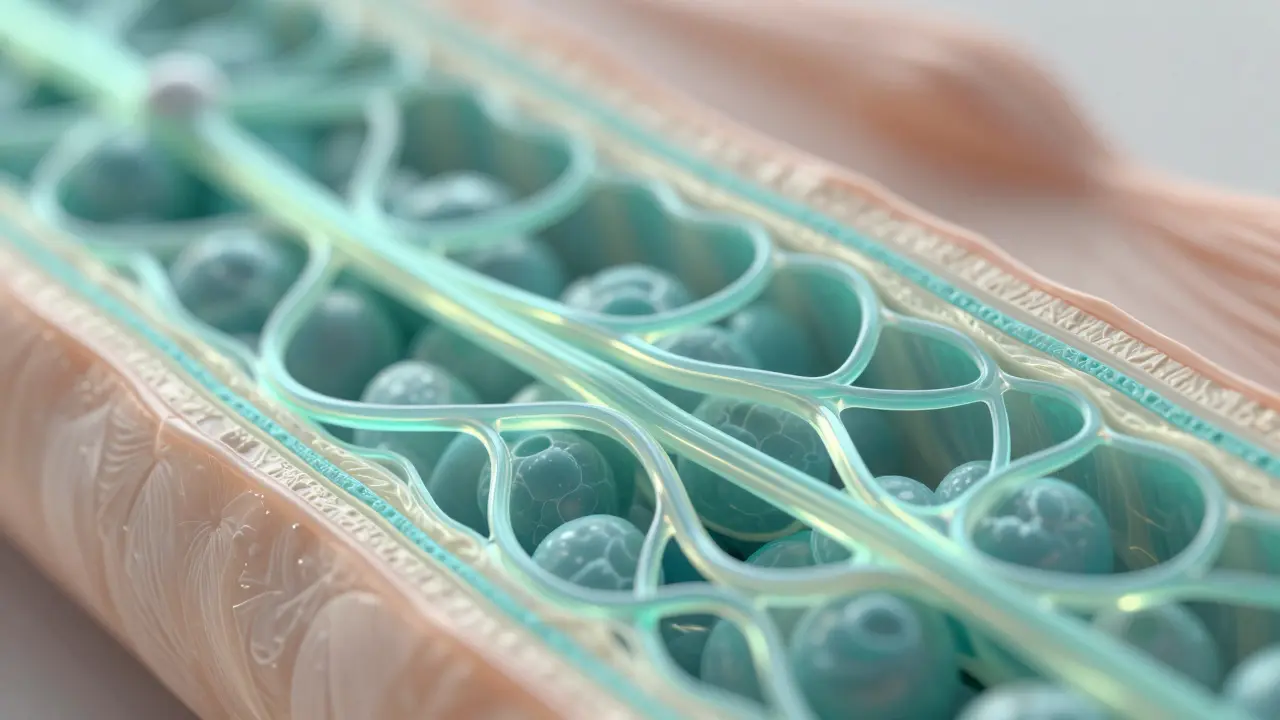
Myofascial Release is a specialized technique that involves stretching the connective tissue to relieve pain and restore mobility. Fascia surrounds every muscle group and organ. When this web becomes tight or restricted, it pulls on muscles, causing pain far away from the actual problem area. By holding a stretch gently for minutes rather than seconds, the practitioner encourages the tissue to remodel itself. This slow, sustained pressure changes the viscosity of the fascia, allowing muscles to slide freely again.
Another critical method is Trigger Point Therapy is a method that focuses on hyper-irritable spots within skeletal muscle that produce referred pain. Imagine stepping on a pebble in your shoe. Eventually, your foot swells. Trigger points are similar internal knots. They restrict blood flow and starve the muscle of oxygen. Releasing these points can eliminate headaches that actually stem from neck tension or arm numbness caused by thoracic compression. This therapy stops the "referral" pattern, cutting off the pain signal traveling through the nervous system.
Beyond these two, therapeutic percussion, cross-fiber friction, and ischemic compression are standard tools. These names sound technical, but they simply describe how the therapist moves their hands relative to your grain of muscle. The objective remains constant: interrupt pain cycles and encourage healing responses in damaged tissue.
Conditions Responding Well to Treatment
Not every ache responds equally, but research consistently highlights several areas where outcomes are most promising. Here are the primary categories where clinical intervention shifts the needle:
- Lower Back Pain: Often stemming from erector spinae hypertonicity or SI joint dysfunction.
- Cervical Strain: Neck issues related to posture or whiplash history.
- Fibromyalgia: Widespread tenderness requiring gentle, systemic desensitization.
- Sports Injuries: Sprains, strains, and tendonitis needing scar tissue mobilization.
- Migraines: Tension headaches linked to suboccipital muscle knots.
For someone living with fibromyalgia, traditional deep tissue work might be too intense and exacerbate pain sensitivity. In this case, the therapist modulates pressure carefully to stimulate parasympathetic rest without triggering a pain storm. The adaptability of the treatment is what makes it viable for long-term management. You learn to self-manage between sessions by following home-care instructions regarding hydration and movement.
| Feature | Swedish / Relaxation | Sports Massage | Medical Massage |
|---|---|---|---|
| Primary Goal | Stress Relief | Performance Prep | Functional Recovery |
| Pain Focus | General | Injury Prevention | Pathology Specific |
| Techniques | Long strokes | Compression | Myofascial, Friction |
| Referral Needed | No | Optional | Yes / Doctor Signed |
| Insurance Coverage | Rarely | Sometimes | Often Covered |
Finding the Right Practitioner
Walking into a clinic can be overwhelming. Titles vary wildly across regions. In Australia and New Zealand, you will look for a Registered Massage Therapist (RMT) who holds accreditation proving they meet professional standards of practice. Registration means they adhere to continuing education requirements and ethical codes. They are trained to screen for contraindications before starting a session. If a client has osteoporosis or acute inflammation, an RMT knows to modify pressure or decline treatment entirely.
Communication is vital. Before booking, ask if they treat specific conditions you have. If you suffer from carpal tunnel syndrome, do not go to someone specializing only in relaxation. Ask about their process for creating a treatment plan. A competent provider does not just show up and rub; they map a path toward recovery goals.
Location matters less than qualification, but proximity affects consistency. Consistency drives results in rehabilitation. You cannot fix a years-old injury in one hour. Most protocols require four to six weekly sessions initially, tapering off as stability improves.
Cost and Insurance Considerations
Paying out of pocket is common, but support exists. Many private health insurance policies include extras cover for remedial massage sessions. Some policies limit this to 10 sessions per year. Checking your policy limits prevents surprise bills later. Additionally, some workers' compensation boards and motor accident schemes authorize payment when injuries occur in work or vehicle accidents.
In 2026, digital health records have made tracking progress easier. You might receive electronic reports sent to your GP after every visit. These documents justify the medical necessity for further treatment phases. This transparency helps everyone stay aligned on your recovery journey.
While costs vary by provider expertise, investing in skilled manual therapy often saves money compared to endless physio appointments or repeated diagnostic scans. Sometimes the issue is mechanical, not structural, meaning scans won't show a tear, but hands-on palpation reveals the muscle imbalance.

What Happens During the Session
Expectation setting reduces anxiety. A clinical session starts with paperwork reviewing your health status. Then comes a brief interview about your pain levels and activities of daily living. Did sleeping on one side hurt more this week? Do you lean left while standing?
The therapist performs a physical exam, testing range of motion. You will lie draped securely on a table. Privacy is maintained throughout. Hands go straight to work, checking texture, temperature, and tension of muscles. The sensation is distinct. You might feel soreness immediately after, known as post-treatment inflammation. Drinking water helps flush metabolic waste released during manipulation.
Sessions last usually 60 minutes, though complex cases may require extended time. You leave not necessarily limp like you did after a heavy workout, but lighter, with improved mobility. You get homework too. Simple stretches to maintain the gains made during the appointment are crucial for lasting relief.
Frequently Asked Questions
Is medical massage painful?
It can involve discomfort when working on inflamed tissue, but it should never be excruciating. Communication is key. A good therapist adjusts pressure based on your feedback. The goal is therapeutic benefit, not endurance training.
How often should I attend sessions?
Frequency depends on severity. Acute injuries might need weekly sessions for three weeks. Chronic issues often benefit from bi-weekly maintenance. Your provider will suggest a timeline based on your response to the first few treatments.
Can massage replace surgery?
Sometimes yes, sometimes no. It can delay the need for surgery in certain spinal cases or ligament injuries by strengthening surrounding support. However, severe fractures or ruptures still require surgical intervention. Consult your doctor.
Do I need a doctor's referral?
A referral is typically required for medical claim reimbursement and confirms the medical necessity. Without one, you pay privately unless your insurance offers direct access benefits. Always check your policy details.
What are the risks involved?
Risks are minimal with qualified practitioners. Potential issues include bruising, temporary soreness, or dizziness from lying prone. Contraindications like blood clots or infectious rashes must be avoided to ensure safety.
Living with pain reshapes how you view the world. It creates barriers to enjoyment and productivity. Medical massage offers a structured way to dismantle those barriers. By understanding the specific roles of connective tissue and neuromuscular function, you gain control over your recovery. Treat your body with the attention it deserves, and choose professionals who speak your language of pain relief.