Deep Tissue Massage: Benefits, Techniques, and What to Expect
- Jun, 30 2026
- 0 Comments
- Joshua Snowden
The Real Deal on Deep Tissue Massage
You’ve heard the hype. You’ve seen the ads promising instant relief from years of tension. But does deep tissue massage actually work, or is it just a fancy way of saying 'painful squeeze'? If you’re dealing with stubborn knots in your back, chronic neck pain, or stiffness that won’t quit, this technique might be exactly what your body needs. However, it’s not for everyone, and knowing what to expect can make the difference between a healing session and a bruised regret.
Unlike a standard Swedish massage that focuses on relaxation and surface-level circulation, deep tissue massage targets the inner layers of your muscles and connective tissues. It’s designed to break down scar tissue, realign muscle fibers, and release chronic tension patterns. Think of it as physical therapy with hands-intentional, slow, and often intense.
How Deep Tissue Massage Works
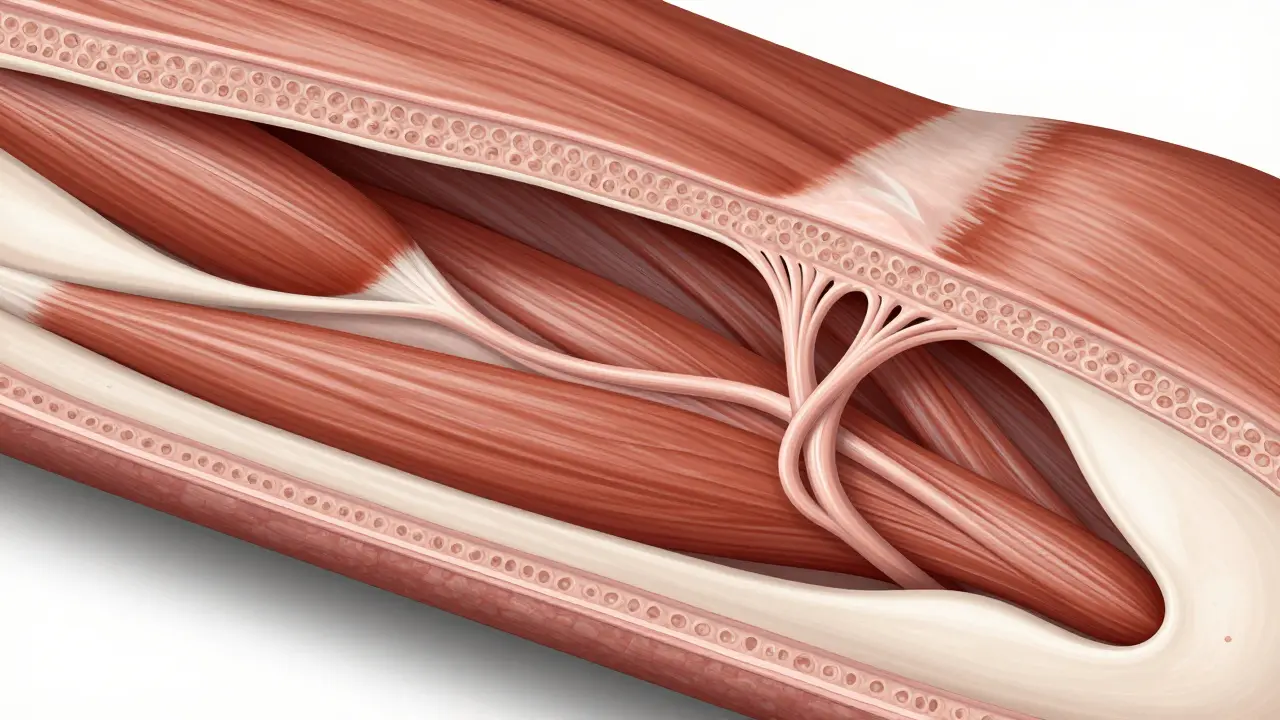
To understand why this method works, you need to look at how muscles heal (or fail to heal). When you injure a muscle, your body creates adhesions-bands of stiff, fibrous tissue that form over damaged areas. These adhesions restrict blood flow, limit mobility, and cause pain. Over time, they can pull surrounding muscles out of alignment, creating a cycle of discomfort that never seems to end.
A skilled therapist uses firm pressure and slow strokes along the grain of the muscle to penetrate these deeper layers. They aren’t just rubbing; they’re applying sustained pressure to specific points to stretch and release the fascia-the sheath that surrounds every muscle. This process increases circulation to the affected area, bringing oxygen and nutrients needed for repair while flushing out metabolic waste products like lactic acid.
What is the main goal of deep tissue massage?
The primary goal is to release chronic muscular tension and break up adhesions in the deeper layers of muscle and fascia, improving mobility and reducing long-term pain.
Who Should Consider This Treatment?
Not every ache requires heavy-handed treatment. Deep tissue massage is most effective for people with specific conditions related to muscle structure and chronic stress. Here are the common profiles:
- Chronic Pain Sufferers: If you’ve had lower back pain, neck stiffness, or shoulder tension for months or years, superficial massages may only provide temporary relief. Deep tissue addresses the root structural issues.
- Athletes and Active Individuals: Runners, weightlifters, and cyclists often develop tightness in repetitive motion areas. This technique helps prevent injury by maintaining flexibility and breaking down micro-tears before they become serious.
- People with Poor Posture: Sitting at a desk all day pulls your shoulders forward and tightens your chest muscles while weakening your upper back. Deep tissue can help rebalance these opposing muscle groups.
- Recovery from Injury: After an accident or surgery, scar tissue forms. A therapist can help soften this tissue to restore range of motion.
If you simply want to unwind after a stressful week, a lighter approach might suit you better. Deep tissue is therapeutic, not purely recreational.

Key Techniques Used by Therapists
Therapists don’t just use one move. They combine several specialized methods to target different types of tension. Understanding these can help you communicate better during your session.
- Stripping: This involves deep, gliding pressure along the muscle fiber direction. It feels like a slow, firm stroke that penetrates deeply to separate tangled fibers.
- Friction: Similar to stripping but more focused. The therapist moves perpendicular to the muscle grain to break up adhesions and scar tissue.
- Trigger Point Therapy: Also known as cross-fiber friction, this targets specific ‘knots’ or hyper-irritable spots within a taut band of muscle. The therapist applies direct pressure until the knot releases, which can sometimes cause a referred pain sensation elsewhere in the body.
- Myofascial Release: This technique focuses on the fascia rather than the muscle itself. It involves gentle, sustained stretching to encourage the connective tissue to relax and expand.
| Technique | Pressure Level | Primary Goal | Best For |
|---|---|---|---|
| Swedish Massage | Light to Medium | Relaxation & Circulation | Stress relief, general wellness |
| Deep Tissue Massage | Firm to Very Firm | Break Adhesions & Chronic Pain | Injury recovery, chronic tension |
| Sports Massage | Variable | Performance & Prevention | Athletes, pre/post-event care |
| Trigger Point Therapy | Intense Localized | Release Specific Knots | Localized pain, referred pain |
What to Expect During Your Session
Your first visit will likely start with a consultation. Be honest about your pain levels, injuries, and medical history. This helps the therapist avoid aggravating existing conditions and focus on problem areas.
During the massage, you’ll feel significant pressure. It should hurt, but not in a sharp, stabbing way. A good rule of thumb is the "good hurt" scale: if you rate pain from 1 to 10, aim for a 6 or 7. Anything higher might cause your muscles to guard and tighten further, defeating the purpose. Communicate openly. Say, "That’s too much," or "Stay right there." A professional therapist wants feedback to adjust their technique.
You might notice some soreness afterward, similar to how you feel after a tough workout. This is normal and usually peaks within 24 hours. Drinking plenty of water helps flush out toxins released from the tissues and reduces post-massage stiffness.
Risks and Contraindications
While generally safe, deep tissue massage isn’t suitable for everyone. Avoid it if you have:
- Blood Clots or Thrombosis: Manipulating muscles could dislodge clots, leading to serious complications.
- Osteoporosis: Fragile bones can fracture under deep pressure.
- Recent Surgery or Open Wounds: Wait until fully healed to prevent infection or damage.
- Pregnancy: Certain techniques and positions are unsafe during pregnancy. Always consult your doctor and seek a prenatal specialist.
- Autoimmune Disorders: Conditions like lupus or rheumatoid arthritis may require gentler approaches due to inflammation risks.
If you’re unsure, talk to your healthcare provider before booking. A qualified massage therapist will also screen you for these conditions during intake.
How Often Should You Get One?
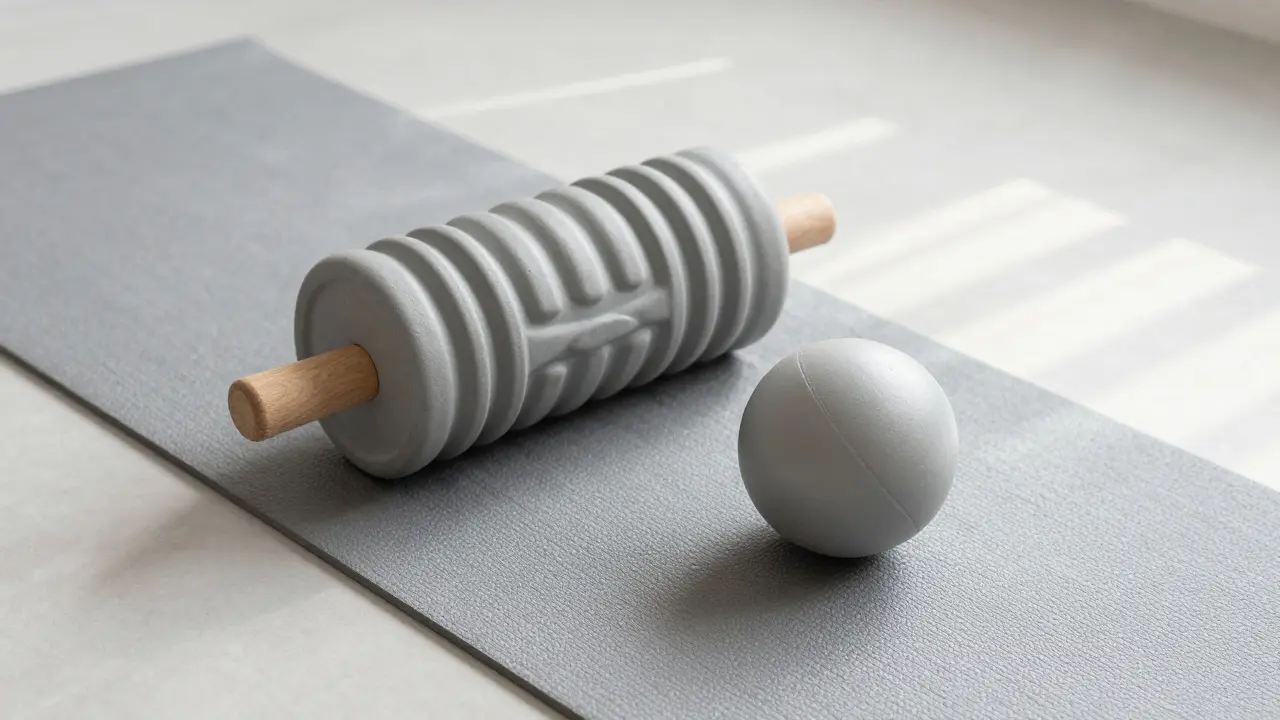
Frequency depends on your goals. For acute injury recovery, weekly sessions for 4-6 weeks might be recommended. For chronic maintenance, every two to four weeks helps keep tension from building up again. Listen to your body. If you feel consistently better and more mobile, stick with the schedule. If costs become prohibitive, learn self-myofascial release techniques using foam rollers or lacrosse balls to maintain progress between appointments.
Choosing the Right Therapist
Not all therapists are trained equally in deep tissue work. Look for credentials such as LMT (Licensed Massage Therapist) or RMT (Registered Massage Therapist), depending on your region. Check their experience with sports injuries or chronic pain management. Read reviews specifically mentioning deep tissue work. During your initial consultation, ask about their training background and how they assess muscle tension. A good therapist listens more than they talk and tailors the session to your unique needs.
Does deep tissue massage really help with sciatica?
Yes, it can help relieve sciatica caused by muscle tension in the piriformis or lower back. By releasing tight muscles that compress the sciatic nerve, deep tissue massage reduces pain and improves mobility. However, it does not fix herniated discs directly.
Is deep tissue massage painful?
It can be uncomfortable, especially when working on chronic knots. The sensation should be a dull ache rather than sharp pain. Communication with your therapist is key to ensuring the pressure remains therapeutic and not harmful.
How long does it take to see results?
Some people feel immediate relief after one session. For chronic conditions, it typically takes 3-5 sessions spaced a week apart to achieve lasting changes in muscle flexibility and pain reduction.
Can I get a deep tissue massage if I have high blood pressure?
Generally yes, but inform your therapist. High blood pressure isn't a strict contraindication, but extreme pressure might temporarily affect circulation. Mild to moderate pressure is usually safe and beneficial.
What should I wear to a deep tissue massage?
Wear loose, comfortable clothing that you can easily remove from the waist up or down, depending on the area being treated. Most therapists provide draping sheets to ensure modesty and warmth throughout the session.