Craniosacral Therapy: How Gentle Touch Heals the Nervous System
- Jul, 29 2026
- 0 Comments
- Ferdinand Kingsley
You have tried everything for that lingering neck pain or constant anxiety. The pills didn't work. The gym routine helped your muscles but not your mind. You are stuck in a loop of stress and physical tension. What if the answer isn't about pushing harder or taking more medication? What if it is about listening to the subtle rhythms inside your body?
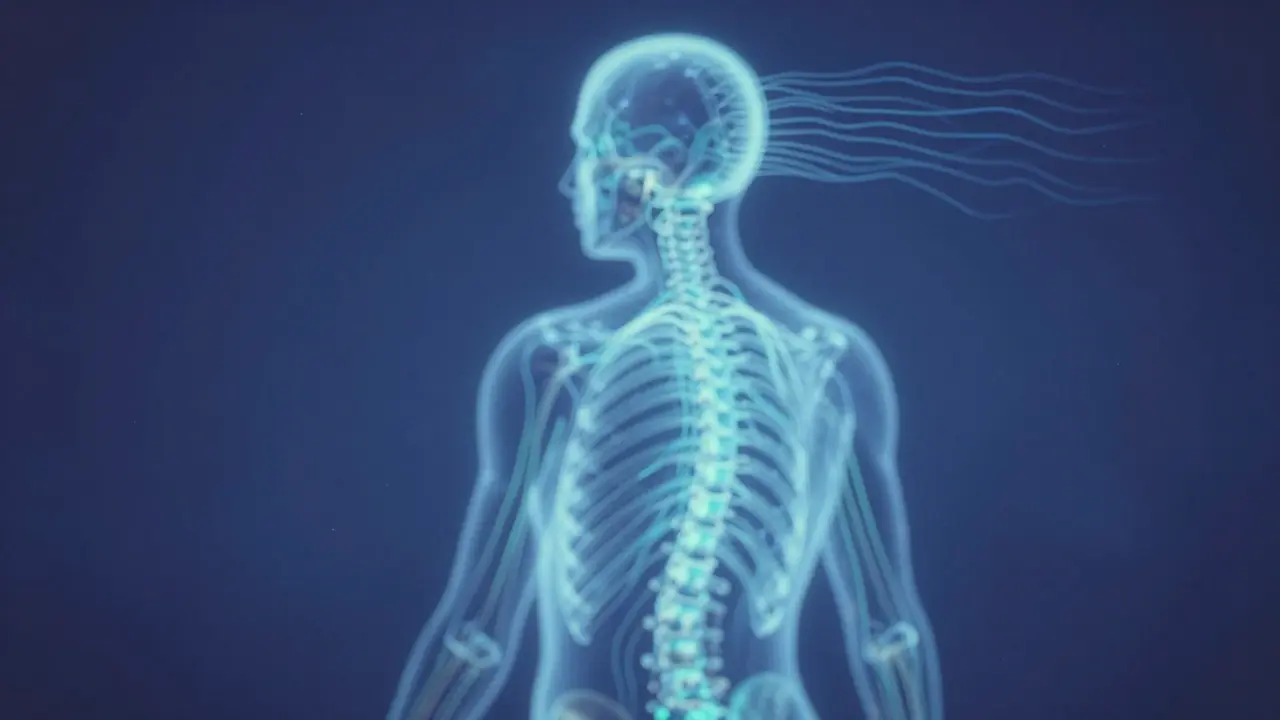
This is where Craniosacral Therapy comes in. It is not magic. It is not a quick fix. It is a gentle, hands-on method that works with your body's natural healing abilities. By focusing on the flow of cerebrospinal fluid, this therapy aims to release restrictions in the central nervous system. If you are skeptical about "energy" therapies, stick around. This approach has roots in anatomy and physiology that make sense once you understand how your skull and spine actually move.
What Is Craniosacral Therapy Really?
Most people think their skull is a rigid helmet. They imagine the bones fused tight after childhood. While the sutures do close, they do not become completely immobile. Underneath those bones lies the meninges, a protective membrane surrounding the brain and spinal cord. Inside that space flows cerebrospinal fluid (CSF). This fluid cushions your brain, removes waste, and delivers nutrients.
The production and reabsorption of CSF create a rhythmic pressure wave. This is called the craniosacral rhythm. It pulses roughly six to twelve times per minute. You can feel it if you place your fingers gently on the forehead or the tailbone. When this rhythm is restricted due to injury, stress, or inflammation, the nervous system gets stuck in "fight or flight" mode. That is when you get headaches, jaw pain, or unexplained fatigue.
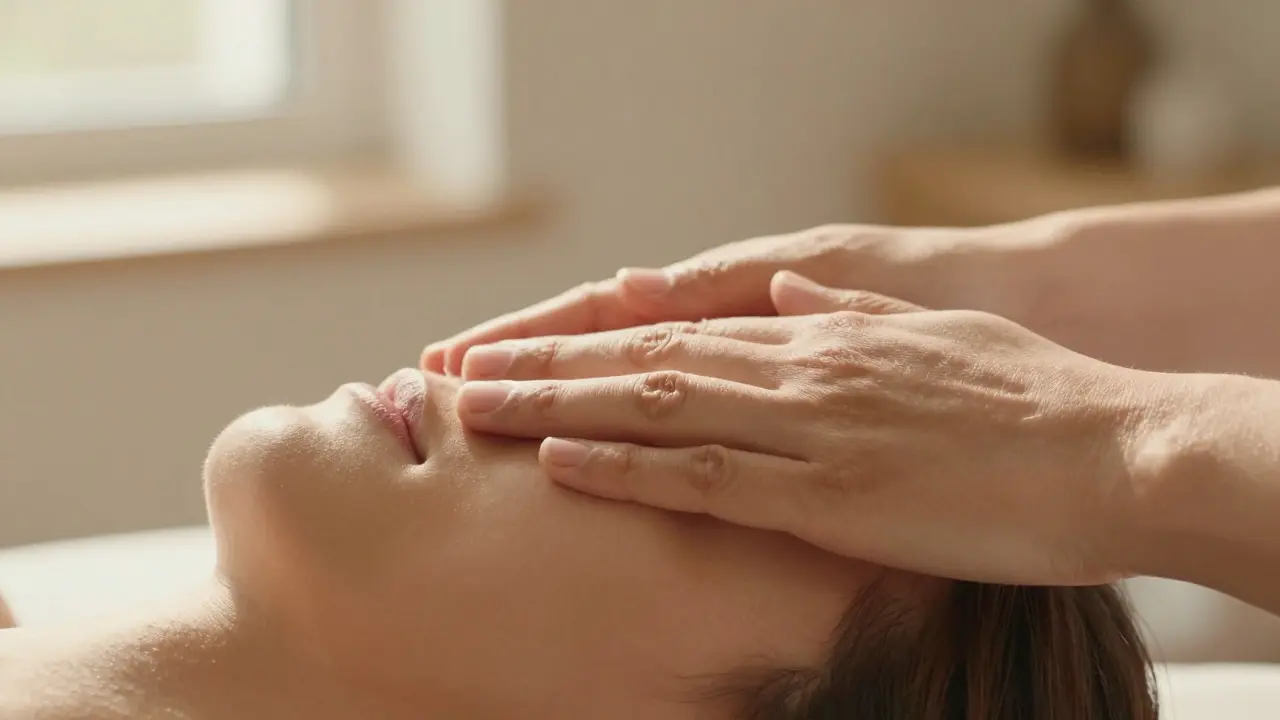
Craniosacral Therapy uses light touch-about the weight of a nickel-to detect these restrictions. The therapist does not push or crack joints. Instead, they apply minimal pressure to encourage the tissue to release. Think of it like untangling a knotted shoelace by holding it still until it relaxes, rather than pulling hard on both ends.
The Science Behind the Sway
Skeptics often ask for clinical trials. The truth is, research on craniosacral therapy is mixed. Some studies show significant reductions in chronic headache frequency. Others suggest improvements in post-concussion symptoms. However, large-scale randomized controlled trials are limited compared to mainstream treatments like physical therapy.
Despite the debate over rigorous scientific validation, the physiological basis holds water. The fascia-the connective tissue wrapping every muscle and organ-is highly sensitive to touch. Research in fascial manipulation shows that gentle sustained pressure can change the viscosity of hyaluronic acid between cells. This makes tissues glide more easily. When fascia releases, nerves compress less. Blood flow improves. Pain signals decrease.
Dr. John Upledger, who popularized modern craniosacral therapy in the 1970s, argued that the central nervous system controls all other systems. If the CNS is stressed, digestion fails, immunity drops, and sleep suffers. By regulating the nervous system through the craniosacral mechanism, you indirectly support heart health, gut function, and mental clarity. It is a bottom-up approach to wellness.
Who Benefits Most from This Treatment?
Not everyone needs craniosacral therapy. If you broke your leg yesterday, you need an orthopedic surgeon. But if you have been dealing with low-grade issues for months or years, this might be the missing piece. Here are the most common conditions patients seek help for:
- Chronic Headaches and Migraines: Restrictions in the upper cervical spine or occipital bone often trigger tension headaches. Releasing these areas can reduce attack frequency.
- TMJ Disorders: Jaw clenching creates tension in the temporal bones. CST helps balance the cranial structure, easing jaw pain.
- Post-Traumatic Stress (PTSD): Trauma stores itself in the body. Many veterans and abuse survivors report feeling "safe" again after sessions because their nervous system stops bracing for danger.
- Infant Colic and Breastfeeding Issues: Birth trauma can distort the infant skull. Gentle cranial work can align sutures, helping babies feed better and sleep longer.
- Fibromyalgia and Chronic Fatigue: These conditions involve widespread pain and exhaustion. CST may help reset the autonomic nervous system from sympathetic dominance to parasympathetic rest.
If you suffer from any of these, consider whether conventional treatments have hit a wall. Sometimes, the issue is not structural damage but functional restriction. Your parts are intact; they just aren't moving correctly together.
What Happens During a Session?
Your first session will likely start with a conversation. The therapist asks about your medical history, current symptoms, and lifestyle. Be honest. Stress levels, caffeine intake, and recent injuries all matter.
Then, you lie down fully clothed on a massage table. No oils are used. The room is quiet. Lights are dimmed. The goal is relaxation. The therapist places their hands lightly on your head, shoulders, or sacrum. They listen with their fingertips. Yes, "listen" is the right word. They feel for the quality of the pulse, the symmetry of movement, and areas of stagnation.
A typical session lasts 45 to 60 minutes. You might feel warmth, tingling, or deep relaxation. Some people fall asleep. Others notice emotional releases-crying or laughing unexpectedly. This is normal. As physical tension melts, stored emotions often surface. There is no judgment. Just presence.
Afterward, you may feel energized or tired. Drink plenty of water. Your body is processing changes. Avoid heavy exercise or intense decision-making for the rest of the day. Let the integration happen.
Finding a Qualified Practitioner
Because craniosacral therapy falls under complementary medicine, licensing varies by state and country. In some places, only licensed massage therapists or chiropractors can perform it. In others, anyone can take a weekend course and call themselves a practitioner.
To ensure safety and effectiveness, look for credentials. The United Academy of Healing Arts offers certified programs. Check if your provider has completed at least 150 hours of training. Ask about their experience with your specific condition. A good therapist will collaborate with your doctor, not replace them.
Cost ranges from $75 to $150 per session. Insurance rarely covers it unless prescribed by a physician for specific diagnoses. Consider it an investment in long-term resilience rather than a billable procedure.
| Modality | Pressure Level | Primary Focus | Best For |
|---|---|---|---|
| Craniosacral Therapy | Very Light (5g) | Craniosacral Rhythm, CNS | Headaches, PTSD, Infants |
| Deep Tissue Massage | Heavy | Muscle Knots, Fascia | Acute Pain, Athletes |
| Chiropractic Adjustment | Moderate to High | Spinal Alignment, Joints | Back Pain, Sciatica |
| Myofascial Release | Moderate | Connective Tissue Glide | Restricted Movement, Scar Tissue |

Potential Risks and Contraindications
Craniosacral therapy is generally safe. But it is not risk-free. Because it affects the nervous system, some people experience temporary worsening of symptoms. Headaches, nausea, or emotional volatility can occur for 24-48 hours. This is known as a "healing crisis." It usually passes quickly.
Avoid CST if you have acute intracranial pressure, such as from a recent stroke, aneurysm, or severe bleeding. Consult your neurologist first. Also, caution is advised during early pregnancy. While many practitioners treat pregnant women safely, hormonal changes make tissues more pliable and unpredictable.
If you feel pain during the session, speak up. The touch should never hurt. Discomfort suggests too much pressure or an underlying issue needing medical attention. Trust your instincts. Your body knows best.
Integrating CST Into Your Wellness Routine
You do not need weekly sessions forever. Most people benefit from 3-6 sessions spaced two weeks apart. After that, monthly maintenance or self-care techniques suffice. Learn to recognize your own craniosacral rhythm. Place your hand on your sternum. Feel the subtle expansion and contraction. Use this awareness to ground yourself during stressful moments.
Combine CST with other practices. Yoga enhances flexibility. Meditation calms the mind. Nutrition fuels repair. Together, they create a robust foundation for health. Remember, healing is not linear. Some days will feel great. Others will feel flat. Keep showing up. Your body is trying to find its way back to balance.
Does craniosacral therapy really work for migraines?
Many patients report significant reduction in migraine frequency and intensity. Studies suggest that releasing tension in the occipital nerve and upper cervical spine can prevent triggers. However, results vary. It works best as part of a comprehensive management plan including diet and stress reduction.
Is craniosacral therapy painful?
No. The technique uses extremely light pressure, approximately five grams. It should feel soothing, not invasive. If you feel pain, inform your therapist immediately. Discomfort may indicate an area needing gentler approach or medical evaluation.
How many sessions do I need?
This depends on your condition and history. Acute issues may resolve in 1-3 sessions. Chronic problems often require 6-10 sessions. Maintenance visits every few months help sustain progress. Your therapist will guide you based on your response.
Can infants receive craniosacral therapy?
Yes. Infants are excellent candidates because their skulls are still flexible. CST can help with colic, reflux, sleep disturbances, and breastfeeding difficulties caused by birth trauma. Sessions are very short, often 15-20 minutes.
Is there scientific evidence supporting craniosacral therapy?
Evidence is growing but mixed. Some studies show positive outcomes for headaches and PTSD. Others lack rigorous methodology. The anatomical basis involving cerebrospinal fluid dynamics is sound. More high-quality research is needed to establish definitive protocols.
What should I wear to a session?
Wear loose, comfortable clothing. You remain fully clothed throughout. Avoid tight jeans or restrictive tops. Comfort aids relaxation, which enhances the therapeutic effect.