Lymphatic Drainage Massage: How It Naturally Cleanses Your Body
- Nov, 15 2025
- 0 Comments
- Cecilia Scripps
When your body feels swollen, sluggish, or just plain stuck, it’s not always about being tired or eating too much salt. Sometimes, the real issue is your lymphatic system not moving like it should. Unlike your blood, which has a heart to pump it, your lymph fluid relies on movement, breath, and gentle pressure to flow. That’s where lymphatic drainage massage comes in - a quiet, powerful tool for natural detoxification that’s been used for over 80 years.
What Exactly Is the Lymphatic System?
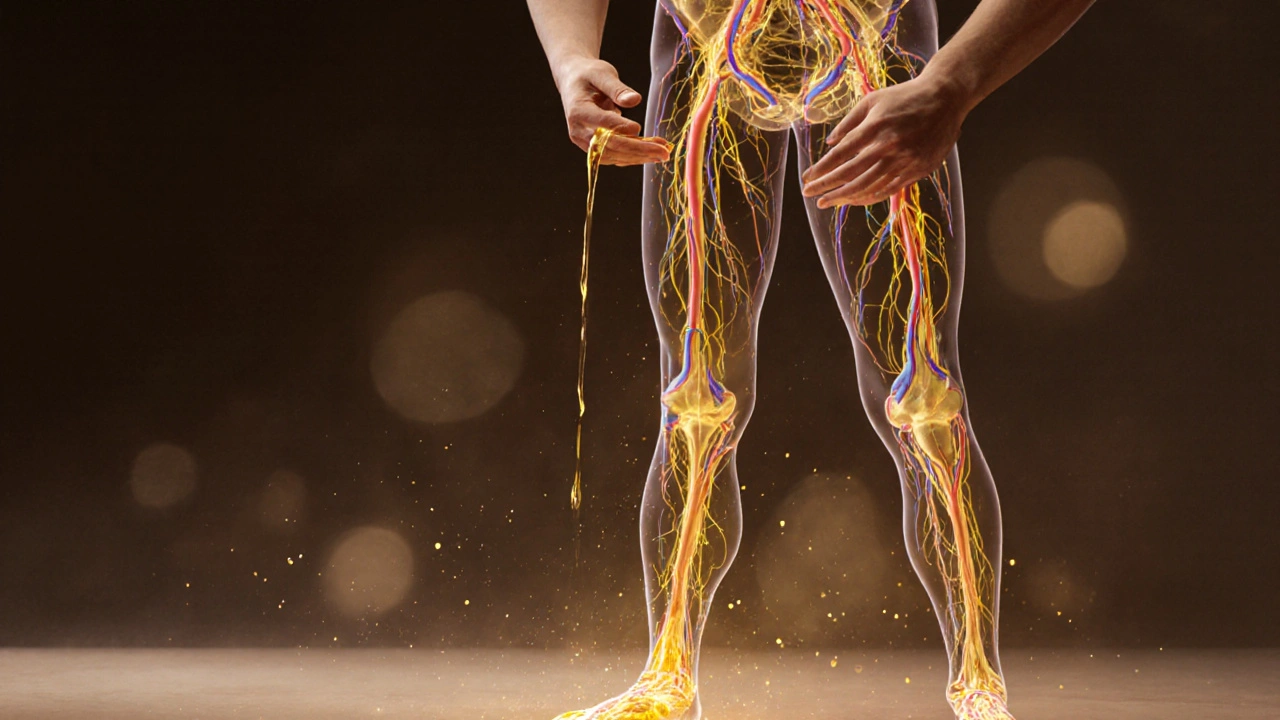
Your lymphatic system is your body’s hidden cleanup crew. It’s a network of thin tubes (lymph vessels), nodes (small bean-shaped filters), and organs like the spleen and tonsils. It carries fluid called lymph - packed with waste, toxins, bacteria, and dead cells - from your tissues back into your bloodstream. Along the way, lymph nodes trap and destroy harmful stuff before it spreads.
But here’s the catch: if you sit all day, move little, or are stressed, your lymph fluid slows down. It doesn’t drain. It pools. That’s when you feel puffy ankles, stiff joints, or even dull skin. Unlike the liver or kidneys, your lymphatic system doesn’t have a pump. It needs help - and that’s where manual lymphatic drainage (MLD) steps in.
How Lymphatic Drainage Massage Works
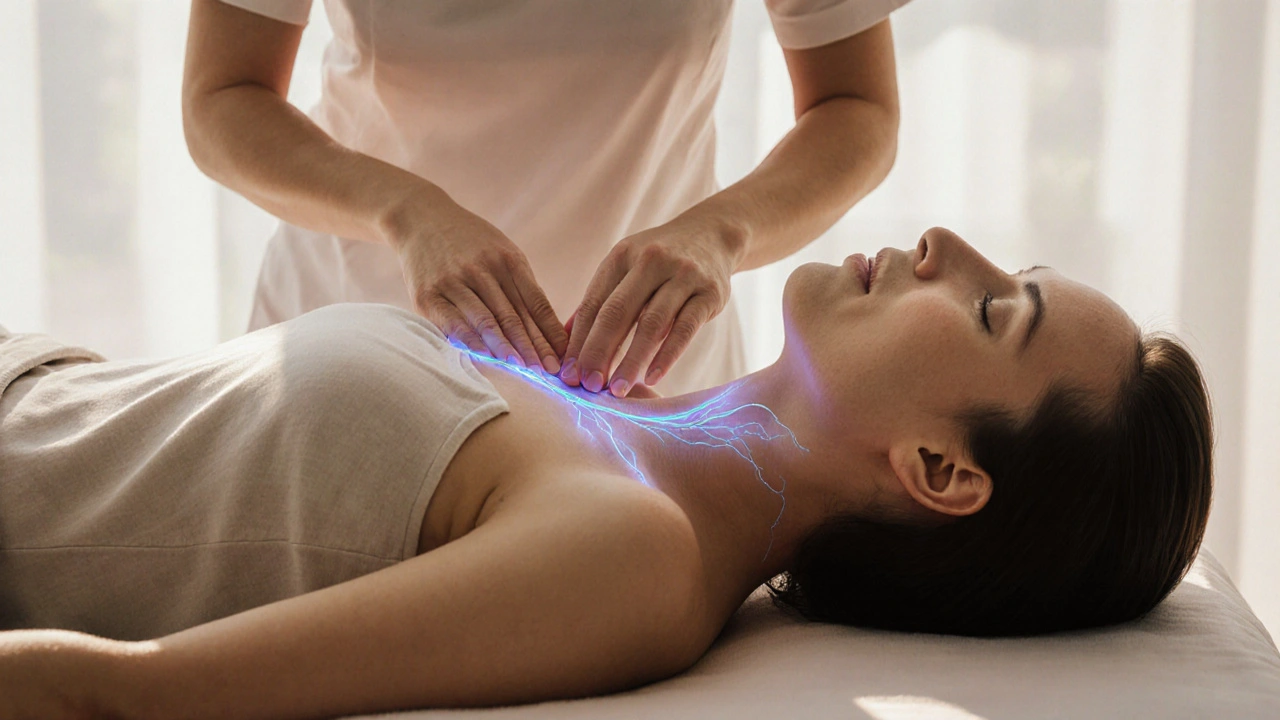
Lymphatic drainage massage isn’t deep tissue. It’s not even really a massage in the traditional sense. It’s a series of light, rhythmic strokes - like a feather brushing skin - that follow the natural pathways of your lymph vessels. Therapists use just enough pressure to stretch the skin, not to crush muscle. Think of it as gently guiding a river that’s gotten blocked by leaves and debris.
Studies show this technique can increase lymph flow by up to 200% during and right after treatment. The strokes are always directed toward lymph nodes - behind the knees, in the armpits, under the jaw - where fluid gets filtered. It’s slow, deliberate, and often feels like a soothing wave rather than pressure.
Unlike deep tissue or sports massage, MLD doesn’t cause inflammation. In fact, it reduces it. That’s why it’s used after surgery, for chronic swelling (lymphedema), and even for people recovering from long COVID. It doesn’t force anything. It invites movement.
Why It’s Called Natural Detoxification
When people say “detox,” they usually mean juice cleanses or supplements. But your body already has a built-in detox system - the lymphatic system. Lymphatic drainage massage doesn’t add anything. It just helps your body do what it was designed to do: remove waste.
Lymph carries metabolic waste like lactic acid, environmental toxins like heavy metals, and even excess hormones. When it moves well, your skin looks clearer, your energy lifts, and your immune system works better. You don’t need to take pills or starve yourself. You just need to move the fluid.
One 2022 study in the Journal of Clinical Lymphology found that patients who received weekly MLD for four weeks showed a 30% reduction in inflammatory markers and reported better sleep and less brain fog. No supplements. No diets. Just hands moving gently over the skin.
Who Benefits Most From This Massage?
Not everyone needs it - but many more could than they realize.
- People with chronic swelling in hands, feet, or face - especially after surgery or injury
- Those with recurring sinus infections or congestion
- Women experiencing premenstrual bloating
- People recovering from illness, long COVID, or chemotherapy
- Anyone who sits at a desk all day and feels stiff or puffy
- Those with dull skin, under-eye bags, or persistent puffiness
It’s also popular among athletes. After intense training, lactic acid builds up. MLD helps flush it out faster than ice baths or stretching alone. One runner I spoke to in Perth said her recovery time dropped from five days to two after adding MLD twice a week.
What to Expect During a Session
A typical session lasts 60 to 90 minutes. You lie on a table, fully clothed or in lightweight cotton. The therapist uses oil or lotion to reduce friction. No music? No noise? That’s normal. Many therapists keep it quiet - the rhythm of their hands is the only sound.
The strokes are always in a specific order: starting near the neck, then moving down the arms and legs, always toward the main lymph nodes. You might feel a slight tingling, warmth, or even a need to pee - that’s your body releasing fluid. It’s not painful. If it hurts, it’s not lymphatic drainage.
Afterward, you might feel relaxed, light, or even a little tired. Drink water. Your body is working hard to flush out what it collected. Avoid caffeine or alcohol for a few hours. Some people feel a boost in energy the next day. Others notice their rings fit better or their skin looks brighter.
What It Won’t Do
Let’s be clear: lymphatic drainage massage won’t make you lose weight. It won’t cure cancer. It won’t replace medical treatment for serious conditions. It’s not a miracle. It’s a support system.
If you have active infections, blood clots, heart failure, or kidney disease, you should avoid it unless cleared by a doctor. Some people with autoimmune disorders may need to be cautious. Always talk to your doctor if you’re unsure.
And don’t expect instant results. One session might feel nice. Three to five sessions over a couple of weeks are what it takes to see real change - especially for chronic swelling or recurring congestion.
Can You Do It Yourself?
Yes - but with limits.
You can learn basic self-massage techniques. Start by gently stroking your neck, then your collarbone, then your inner arms and legs. Use very light pressure - like you’re petting a cat. Do it in the morning before showering, after deep breathing. There are short videos online that show the sequence.
But don’t try to replace professional sessions. Therapists know the exact pathways, the depth, the timing. Self-massage is great for maintenance. But if you’re dealing with swelling, chronic fatigue, or post-surgery recovery, see a certified MLD therapist.
In Australia, look for therapists trained in the Vodder or Földi method. These are the two most respected styles. Ask if they’re certified by the Lymphology Association of Australia. Don’t just go to any spa that says “detox massage.”

How Often Should You Get It?
For general wellness: once a month.
For swelling or recovery: two to three times a week for 2-4 weeks, then taper off.
For seasonal congestion (like hay fever): weekly during peak season.
For athletes: once a week after heavy training blocks.
There’s no harm in doing it more often - if your body responds well. But consistency matters more than intensity. A 20-minute daily self-massage is better than a two-hour session once a quarter.
What to Combine It With
MLD works best when it’s part of a bigger picture.
- Hydration: Drink half your body weight in ounces of water daily. Lymph fluid is mostly water. If you’re dehydrated, it thickens and moves slower.
- Jumping or rebounding: Even five minutes on a mini trampoline helps pump lymph.
- Deep breathing: Diaphragmatic breathing acts like a second heart for your lymphatic system. Inhale slowly through your nose, let your belly rise, exhale fully.
- Walking: Just 20 minutes a day keeps fluid moving.
- Reducing salt: Too much sodium pulls water into tissues, making swelling worse.
These aren’t fancy hacks. They’re basic human habits. Lymphatic drainage massage doesn’t replace them - it amplifies them.
Real Results, Not Hype
I’ve seen clients come in with swollen ankles after long flights. After two sessions, they could fit into their shoes again. One woman with chronic sinus headaches stopped needing antibiotics after six weeks of MLD. Another, recovering from breast cancer surgery, said it was the first thing that made her feel like her body was healing - not just surviving.
This isn’t about luxury. It’s about function. Your body is designed to clean itself. Sometimes, it just needs a little help to get back on track.
Can lymphatic drainage massage help with cellulite?
It can temporarily reduce the appearance of cellulite by reducing fluid retention in the tissues, but it won’t eliminate fat or permanently change skin structure. Cellulite is caused by fat pushing through connective tissue - MLD doesn’t break down fat. However, many people notice smoother skin after consistent sessions because the fluid buildup that makes dimples look worse is flushed out.
Is lymphatic drainage massage safe during pregnancy?
Yes, when done by a trained therapist who knows prenatal adaptations. Many pregnant women find relief from swollen feet and hands. The technique avoids pressure on the abdomen and focuses on legs, arms, and neck. Always check with your OB-GYN first, especially in the first trimester or if you have high-risk conditions.
How long do the effects last?
The immediate effect - reduced swelling, clearer skin, better energy - can last 24 to 72 hours. For lasting change, you need regular sessions. Think of it like brushing your teeth: one session cleans, but daily habits keep your mouth healthy. Same with lymph flow. Movement, hydration, and breathing are the daily maintenance.
Does lymphatic drainage massage help with immune function?
Yes. Lymph nodes house white blood cells that fight infection. When lymph flows well, these cells move faster and more efficiently. Studies show improved immune response in people with chronic lymphatic stagnation. It’s not a vaccine - but it helps your body’s natural defenses work better.
Can I do lymphatic drainage massage after liposuction?
Yes - and it’s often recommended. After liposuction, fluid collects under the skin, leading to hard lumps and prolonged swelling. MLD helps move that fluid out, reduces bruising, and speeds recovery. Most surgeons in Australia suggest starting 48-72 hours post-op, with 3-5 sessions in the first week.
Next Steps
If you’re curious, start small. Try a 20-minute self-massage in the morning. Focus on your neck, collarbone, and inner arms. Drink water. Breathe deep. Notice how you feel after three days.
If you’re dealing with swelling, fatigue, or recurring illness, find a certified MLD therapist. Look for someone with training in Vodder or Földi. Don’t settle for a spa that calls it “detox massage” without explaining the technique.
Your body doesn’t need chemicals to detox. It just needs to move. And sometimes, all it takes is a few gentle strokes to get things flowing again.